
Embarking on your Python journey can be both exciting and overwhelming. With a treasure trove of resources available, it’s essential to find the right books that guide you from the fundamentals to advanced concepts effectively. This article highlights three outstanding books designed to elevate your Python skills, providing you with the tools necessary to transition from a novice to a proficient coder.
You’ll discover the key features of each recommended book, including insightful reviews on titles like “Impractical Python Projects” and “Python Distilled.” These selections are tailored to enhance your understanding and application of Python, making learning a smooth and enjoyable experience. Get ready to elevate your coding game and unlock the full potential of Python with these invaluable resources!
3 Great Books for Learning Python – Beginner to Proficiency
Overview of Python Learning Resources
When you’re embarking on your journey to learn Python, you may feel overwhelmed by the abundance of resources available. While online tutorials and interactive coding platforms can offer immediate engagement, books remain one of the most effective ways to learn a programming language in-depth. They provide structured content that guides you from the basics to more advanced concepts. In this article, we’ll delve into three fantastic books that can take you from a novice to a proficient Python programmer.
Importance of Books in Learning Python
Books offer the unique advantage of detailed explanations and a progressive learning curve. They curate knowledge in a logical, systematic manner, which allows you to build foundational skills before tackling complex topics. Engaging with a physical or digital book gives you the opportunity to reflect on what you’ve learned at your own pace, making it easier to absorb complex ideas. Additionally, books often provide exercises and examples, which are crucial for reinforcing your understanding and ensuring practical application of the material.
Complementing Books with Online Resources
While books are invaluable, complementing them with online resources can enhance your learning experience. Websites, video tutorials, and coding forums offer dynamic content and community support that can motivate you and provide real-time feedback. By combining the structured knowledge from books with interactive elements online, you create a multifaceted learning toolkit that caters to different aspects of your Python education.
Book 1: Impractical Python Projects
Description and Overview
“Impractical Python Projects” by P. J. Eby is a delightful exploration into the quirky side of Python programming. This book presents a variety of unconventional and amusing projects designed to challenge your creativity while building your coding skills. Each project is unique and crafted to not only elevate your understanding of Python but also to entertain you as you work through them.
Why it’s Great for Beginners
This book is especially wonderful for beginners because it encourages experimentation. You’ve mastered the Python basics—now what? This resource ensures you won’t be stuck in a rut. The light-hearted approach, coupled with practical projects, allows you to apply your skills in a fun way. You’ll be able to see results quickly, which is crucial for new learners looking for motivation to progress.
Key Features and Projects Included
You can expect to find an engaging mixture of projects, including games, automated tasks, and creative programming challenges. Each project is equipped with step-by-step guidance and explanations, which minimizes confusion and maximizes learning. The book also emphasizes the importance of debugging, sparking curiosity and encouraging problem-solving—essential skills for any programmer.
How to Use This Book Effectively
To get the most out of “Impractical Python Projects,” begin by fully grasping the Python basics. Follow along with the projects and ensure you code them yourself instead of just reading. It’s helpful to take notes as you progress. Additionally, try modifying the projects; improvising is a great way to deepen your understanding and encourage creative thinking.
Book 2: Python Distilled
Description and Overview
“Python Distilled” by David Beazley is an excellent resource for those who prefer a concise and straightforward approach. This book strips away the unnecessary jargon and focuses on Python’s most essential features. It’s a compact guide that covers both the basics and advanced topics, making it a versatile option on your learning journey.
Strengths and Unique Approach
One of the standout attributes of this book is its emphasis on understanding Python in a deep and meaningful way. Beazley provides insightful commentary and explanations, ensuring you grasp both the ‘how’ and ‘why’ behind Python’s features. This approach builds a solid foundation that benefits both beginners and those familiar with programming looking to sharpen their skills.
Target Audience and Skill Level
“Python Distilled” is aimed at beginners to intermediate programmers. It’s perfect if you’ve dabbled in programming languages before and want to get a robust understanding of Python’s unique aspects. Additionally, even seasoned coders can gain valuable insights, making it a valuable addition to any programmer’s library.
Practical Exercises for Skill Improvement
The book doesn’t skimp on practical exercises. Each chapter includes challenges that encourage you to apply what you’ve learned. These exercises help solidify your understanding and introduce you to common pitfalls and how to avoid them. This hands-on approach is vital for transforming theoretical knowledge into practical skills.
Book 3: Learn Python with Giles
Description and Overview
“Learn Python with Giles” by Giles McMullen is an engaging resource that focuses not just on Python programming but also on data science applications. This book offers a great blend of theory and practical projects, making it especially attractive for those interested in data-related fields.
Focus on Python and Data Science
This book delves into Python’s use in data science, exploring libraries such as Pandas, Matplotlib, and NumPy. This focus enables you to understand not just how to code, but how to analyze and visualize data effectively. If you’re aiming to gear your Python skills toward data science, this resource is tailored for you.
Benefits of Learning Through Projects
By weaving learning tasks into real-world projects, McMullen enhances understanding and retention. You’ll learn to create data visualizations, build models, and manipulate datasets. Each project reinforces coding concepts while giving you practical experience, crucial for applying your skills in job scenarios.
Integrating Data Science Concepts
As you journey through the book, you’ll find that it seamlessly integrates data science concepts, which enhances your overall comprehension of both Python and data analysis. Each chapter builds on the last, progressively increasing in complexity and providing a comprehensive learning experience.
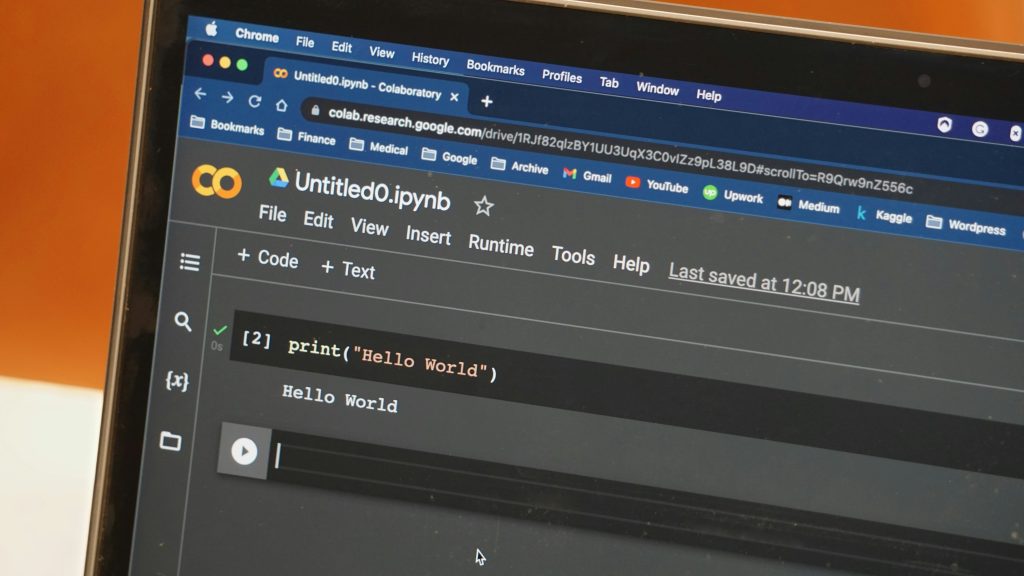
Comparative Analysis of the Three Books
Target Audience and Learning Curve
When comparing the three books, it’s clear that they cater to different audiences. “Impractical Python Projects” is fantastic for total beginners who enjoy a fun and hands-on approach. “Python Distilled” is for individuals seeking depth and clarity, ideal for both beginners and those with programming experience. Meanwhile, “Learn Python with Giles” is perfect if your interests lie specifically in data science, offering a targeted learning pathway.
Content Depth and Coverage
Regarding content depth, “Python Distilled” arguably provides the richest theoretical insights and a broad range of topics. “Impractical Python Projects,” however, shines in practical application and innovative project ideas. As for “Learn Python with Giles,” it strikes a balance between theory and practice, especially within the realms of data science.
Practical Applications and Projects
All three books include projects, but the nature of these projects varies. “Impractical Python Projects” invites you to explore quirky ideas, while “Learn Python with Giles” delves into practical applications specific to data science. “Python Distilled” balances projects with theoretical content, ensuring a comprehensive educational experience.
Supplementary Resources to Enhance Learning
Free Online Resources for Beginners
As you journey through your Python learning, consider supplementing your reading with free online resources. Websites like Codecademy, Coursera, and freeCodeCamp offer introductory courses and tutorials that can complement your book learning. These platforms provide interactive methods to practice coding that helps reinforce what you’ve learned.
Paid Online Courses Conclusion
If you’re looking for more structured and comprehensive support, opting for paid online courses can be beneficial. Many platforms provide courses tailored to specific Python applications, especially in data science and web development. These courses often include access to instructors and communities, which can be invaluable for your learning.
Communities and Forums for Support
Engaging with online communities and forums is a fantastic way to enhance your learning experience. Sites like Stack Overflow, Reddit, or Discord channels focused on Python provide a space where you can ask questions, share your learning journey, and connect with others who share your passion for programming.

Learning Pathway: From Beginner to Proficient
Setting Learning Goals
As you begin your Python learning journey, it’s essential to set realistic and achievable goals. Whether it’s mastering the basics, creating a specific project, or understanding data analysis, having clear objectives will keep you motivated and focused. Break down your goals into smaller tasks that you can achieve over time.
Creating a Study Schedule
Developing a study schedule can make a significant difference in your learning efficiency. Consistency is key; allocate specific days and times for studying Python. This routine helps build a habit and ensures that you dedicate time for practice. Incorporate a mix of reading, coding, and project work to keep the learning experience fresh and engaging.
Balancing Theory and Practical Work
Balancing theoretical knowledge with practical application is crucial for developing your Python skills. While books provide comprehensive explanations, make sure to dedicate ample time to coding exercises, projects, and problem-solving. This hands-on experience is invaluable for solidifying your understanding and enhancing your capability to tackle real-world problems.
Common Challenges in Learning Python
Overcoming Initial Frustration
It’s perfectly normal to feel frustrated when learning a new programming language. Python can seem daunting at first, and you may encounter concepts that are difficult to grasp. Remember, persistence is key! Take breaks when needed, revisit difficult topics, and don’t shy away from seeking help in communities or with your resources.
Debugging and Problem-Solving Strategies
Debugging is a fundamental part of programming, and it’s something you’ll inevitably face. Embrace it as a learning opportunity rather than a setback. Cultivate a systematic approach to debugging: read error messages carefully, isolate the problematic code, and test it in smaller bits. Developing strong problem-solving skills is essential as you progress in your coding journey.
Keeping Motivation High
Staying motivated is crucial when learning Python. Set small milestones to celebrate your progress, whether it’s completing a chapter in a book, finishing a project, or understanding a complex concept. Joining coding challenges or communities can also keep the momentum going, as shared experiences can be highly encouraging.

Building Practical Skills with Python
Importance of Hands-On Projects
Hands-on projects are the heart of applying your Python skills in real-world scenarios. They not only reinforce your learning but also give you tangible results to showcase your capabilities. Whether it’s building a simple calculator or a complex data analysis tool, projects allow you to experiment and learn by doing.
Choosing the Right Projects
Selecting the right projects is essential for your growth. Start with simpler tasks that align with your current skill level, then gradually increase the complexity as you advance. Focus on projects that interest you personally, whether they’re related to games, web applications, or data analysis, to maintain your enthusiasm and engagement.
Transitioning from Learning to Real-World Applications
As confidence builds, you’ll want to transition your skills to real-world applications. Participate in coding competitions, contribute to open-source projects, or try freelancing. These experiences will expose you to challenges and collaborations that mimic the professional development environment, enhancing your proficiency and employability.
Conclusion
Recap of the Three Great Books
To recap, each of the three books discussed—”Impractical Python Projects,” “Python Distilled,” and “Learn Python with Giles”—brings unique strengths to your Python learning journey. They cater to diverse audiences and learning styles, ensuring that no matter your background, you can find a suitable resource.
Encouragement for Continuous Learning
Remember, learning Python is a journey that requires dedication and patience. The field of programming is always evolving, so continuous learning is essential. Stay curious, explore new technologies, and keep pushing your boundaries.
Final Thoughts on the Journey to Master Python
Your journey towards mastering Python can be incredibly rewarding! With the right tools, a structured learning plan, and a supportive community, you can transform from a beginner into a proficient programmer. Keep a positive mindset, celebrate your milestones, and enjoy the process. Happy coding!