Python is an incredibly versatile programming language that’s widely used today. This article will guide you through the essentials of Python and also provide you with key interview questions tailored for freshers. It’s a great opportunity to familiarize yourself with Python’s features and start building confidence for job interviews in the tech field.
The content will explore the basics of Python, making it accessible for newcomers. Additionally, you’ll find a collection of crucial interview questions that can help you showcase your knowledge and skills. This can be a great stepping stone to kickstart your career in programming.
Understanding Python
Definition of Python
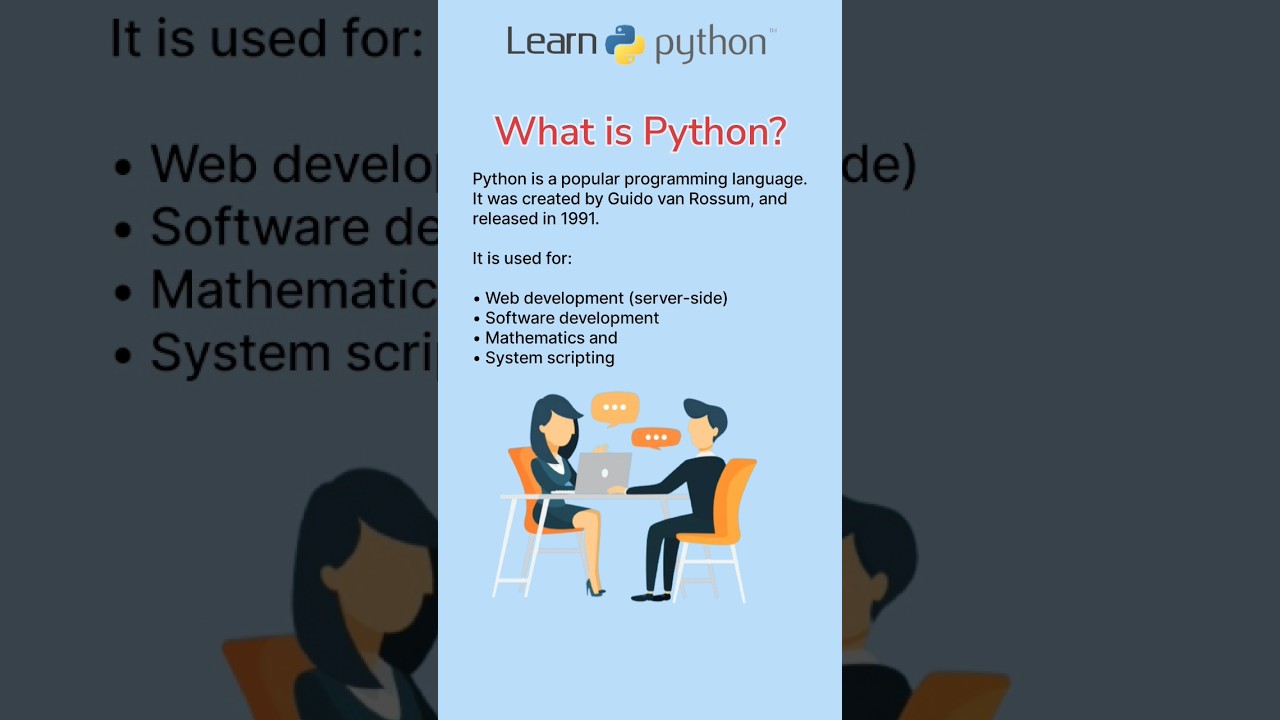
Python is a high-level, interpreted programming language known for its clear syntax and readability. It was first developed by Guido van Rossum and is designed to be easy to understand, making it a great choice for both beginners and experienced developers. With a robust community and extensive libraries, Python allows you to tackle various programming tasks efficiently, be it in web development, data analysis, artificial intelligence, or more.
History and Development
Python was created in the late 1980s and released in 1991. It was designed to overcome the shortcomings of the ABC programming language, aiming to enhance functionality without sacrificing simplicity. Since its inception, Python has undergone several upgrades, introducing features like list comprehensions, generators, and dynamic typing. The language continues to evolve, with the Python Software Foundation overseeing its development, releasing major versions periodically, ensuring the community’s needs are met.
Key Features of Python
Python boasts numerous key features that make it an appealing choice among developers. Its simplicity and readability are key, enabling you to write and maintain code easily. Python supports multiple programming paradigms, including procedural, object-oriented, and functional programming. Additionally, it has extensive libraries for data manipulation, web development frameworks, and scientific computing. Python also emphasizes community, offering great documentation and a variety of resources for learning.
Applications of Python
Web Development
One of the most popular uses of Python is in web development. Frameworks like Django and Flask streamline the process, enabling you to build robust web applications quickly. Django is known for its “batteries-included” approach, providing an array of tools out of the box, while Flask allows for greater flexibility and simplicity, making it easy to scale projects according to your needs.
Data Science and Analytics
Python is a powerhouse in data science and analytics. Libraries like NumPy and Pandas provide powerful data manipulation capabilities, while Matplotlib and Seaborn are used for data visualization, allowing you to present data in an understandable format. Whether you’re analyzing simple datasets or building complex models, Python equips you with the tools necessary to derive meaningful insights.
Artificial Intelligence and Machine Learning
Python has become synonymous with artificial intelligence (AI) and machine learning (ML) due to its simplicity and the availability of powerful libraries like TensorFlow and Keras. These libraries allow you to build predictive models, neural networks, and deep learning algorithms with ease. You can leverage Python’s flexibility to experiment with different architectures and optimize your models efficiently.
Game Development
While less common than other applications, Python is also used in game development. Libraries such as Pygame enable you to create games quickly, providing the essential elements to build animations, manage graphics, and handle input. If you’re interested in learning game design, Python can be your gateway to understanding complex concepts through practical projects.
Automation and Scripting
Python excels in automation and scripting, which allows you to automate repetitive tasks, from file management to web scraping. With Python, you can write scripts to perform these tasks effortlessly. Libraries like Beautiful Soup simplify web scraping, while Selenium can automate web applications for testing purposes. This capability can significantly enhance your productivity.
Getting Started with Python
Installing Python
To kick things off with Python, you’ll need to install it on your system. You can download the latest version from the official Python website, where installation packages are available for Windows, macOS, and Linux. Follow the installation instructions, ensuring that Python is added to your system’s PATH, enabling you to run it from the command line easily.
Setting Up Your Environment
After installing Python, setting up your development environment is the next step. You might want to choose an Integrated Development Environment (IDE) such as PyCharm, Visual Studio Code, or Jupyter Notebook, based on your project needs. Setting up a virtual environment is also a good practice, allowing you to manage dependencies for different projects conveniently without conflicts.
Basic Syntax and Structure
Understanding Python’s basic syntax is key to getting started with programming. You’ll learn about variables, data types, and the structure of a simple Python program. Python uses indentation to define code blocks instead of braces or keywords. Familiarizing yourself with these concepts will ease your learning journey and prepare you for more complex programming tasks.
Essential Python Programming Concepts
Variables and Data Types
In Python, variables are used to store data, and the language supports multiple data types, including integers, floats, strings, and booleans. You can assign values to variables using the equal sign (=), and Python dynamically infers the type of variable based on its value. Understanding data types is crucial for effective programming, as it influences how you perform operations and manage data.
Control Structures
Control structures, such as conditional statements and loops, allow you to control the flow of your code. With if, elif, and else statements, you can execute different code blocks based on various conditions. Loops, including for and while, enable you to repeat actions. Mastering these concepts will empower you to create more dynamic and responsive programs.
Functions and Modules
Functions are blocks of reusable code that can be called with specific parameters, making your code cleaner and more efficient. You can define functions using the def keyword. Modules, on the other hand, are files containing Python code that you can import into other scripts, allowing you to reuse functions and variables easily. Understanding these concepts will help you write modular code that is easier to maintain.
Object-Oriented Programming
Object-oriented programming (OOP) is a fundamental paradigm in Python, focusing on concepts like classes and objects. By organizing your code into classes, you can create blueprints for objects that encapsulate data and functionality. Python’s OOP features, such as inheritance, polymorphism, and encapsulation, provide a powerful way to model real-world problems and promote code reusability.
Python Libraries and Frameworks
Popular Libraries (NumPy, Pandas, etc.)
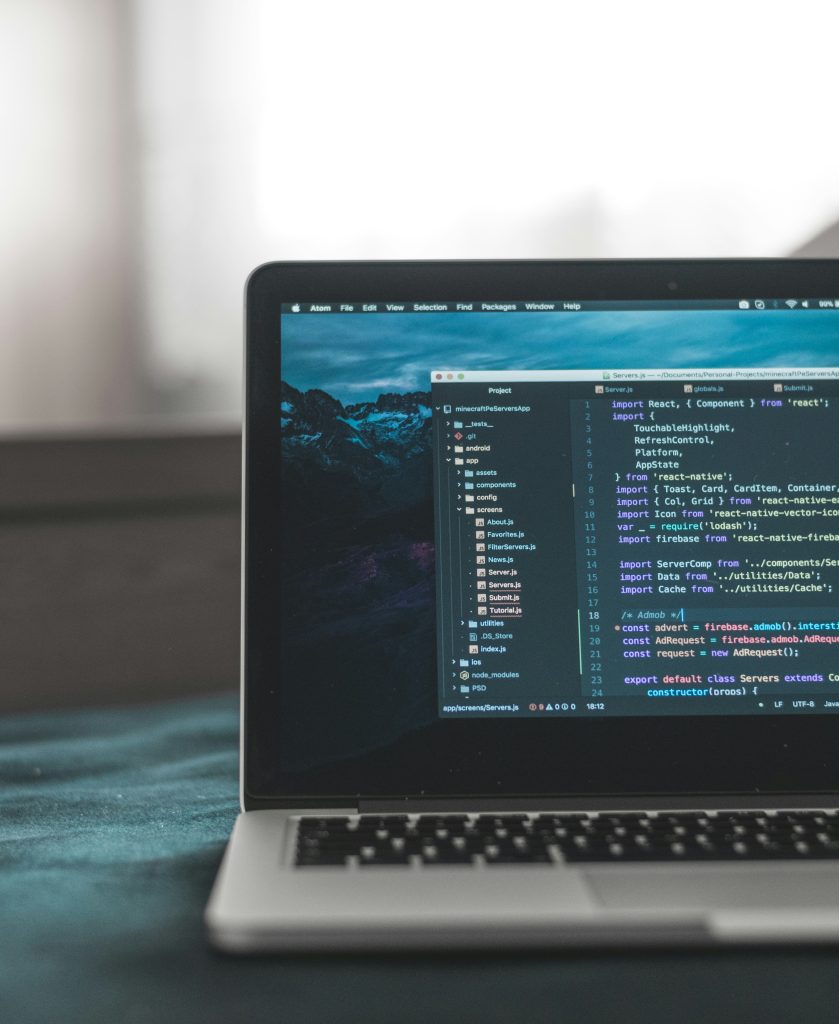
Python has a rich ecosystem of libraries that extend its functionality. NumPy provides support for large, multi-dimensional arrays and matrices, ideal for numerical computations. Pandas is essential for data manipulation and analysis, offering data structures like DataFrames to work with structured data seamlessly. Learning these libraries is crucial for anyone looking to work in data science or analytics.
Web Frameworks (Django, Flask)
Django and Flask are among the most popular web frameworks for Python. Django is feature-rich, enabling rapid web application development with built-in functionality like user authentication and admin panels. Flask, being lightweight, offers flexibility, allowing you to choose the components you want to use. Knowing these frameworks can significantly speed up your web development process.
Machine Learning Libraries (TensorFlow, Keras)
For anyone interested in machine learning, TensorFlow and Keras are indispensable libraries. TensorFlow is an open-source library developed by Google that provides a robust framework for building and training machine learning models. Keras is a high-level library that sits atop TensorFlow, facilitating the creation of neural networks in a user-friendly manner. Together, they empower you to innovate in AI and machine learning projects.
Python Interview Preparation
Types of Python Interviews
When preparing for a Python interview, you’ll encounter various formats. Technical interviews assess your coding skills directly, often requiring you to solve problems on a whiteboard or coding platform. Behavioral interviews evaluate your soft skills and interpersonal abilities. It’s essential to be ready for both types, as they complement each other in assessing your overall fit and readiness.
How to Prepare Effectively
To prepare effectively for a Python interview, start by practicing coding problems on platforms like LeetCode or HackerRank. Build a strong foundation in data structures and algorithms, as questions in interviews often revolve around these concepts. Mock interviews can also be beneficial, allowing you to practice your responses and coding in a pressure-like environment. Revisiting Python’s features and libraries will further boost your confidence.
Common Interview Formats
Interviews can include varying formats, such as live coding sessions, take-home assignments, or brainteasers. Live coding often involves solving a problem while explaining your thought process, while take-home assignments allow you to demonstrate your skills at your own pace. Be prepared for a mix of technical and soft skills questions, and don’t forget to follow up with questions of your own to engage the interviewer.
Common Python Interview Questions for Freshers
Basic Syntax and Operations
Expect fundamental questions regarding Python’s syntax, such as how to define a variable or what data types are available. You might also be asked about basic operations like string manipulation, list comprehensions, and the use of built-in functions. These questions test your understanding of Python’s core principles.
Data Structures and Algorithms
Interviewers often focus on data structures like lists, sets, dictionaries, and tuples. Be prepared to explain when and how to use each structure. You could also encounter algorithm questions involving sorting or searching, assessing your problem-solving abilities and understanding of algorithm complexity.
Exception Handling
Understanding how to manage errors is crucial in programming. Interviewers may ask you about try-except blocks, raising exceptions, and creating custom exceptions. Being able to explain these concepts shows you can write robust and error-tolerant code.
File Handling
You may be asked to demonstrate how to read and write files in Python. Questions could involve handling different file types, such as CSV or JSON, and processing data efficiently. Familiarizing yourself with Python’s file operations will give you an edge.
Object-Oriented Questions
Questions on OOP may focus on concepts like classes, objects, inheritance, and polymorphism. Interviewers might ask you to define a class or explain how you would use inheritance in a given scenario. Having a solid grasp of OOP principles is vital for modern software development.
Problem-Solving Using Python
Coding Challenges
Coding challenges are a common part of technical interviews, testing your problem-solving skills. You’ll need to write code to address specific problems, demonstrating both your analytical skills and coding proficiency. Practice various coding challenges that require different algorithms to become more comfortable with tackling these types of problems.
Algorithmic Thinking
Algorithmic thinking is the ability to break down problems into manageable steps and devise logical solutions. During interviews, whether coding in real-time or on a take-home assignment, you may need to discuss your approach to solving a problem. Being structured in your reasoning will help both you and the interviewer understand your thought process.
Practical Examples and Solutions
Bringing practical examples into your discussions can illustrate your understanding of theoretical concepts. If you’re faced with a coding challenge, explain your thought process clearly and step through your solution. This not only aids in communication but also exhibits your ability to apply theoretical knowledge to real-world situations.

Best Practices in Python Programming
Code Readability and Comments
Writing clean, readable code is essential in programming. Python emphasizes code readability with its indentation rules. Use comments generously to explain your reasoning and clarify complex parts of your code. Aim for clarity over cleverness, ensuring others (and your future self) can understand your code without extensive effort.
Error and Exception Handling
Effective error and exception handling is crucial for creating robust applications. Use try-except blocks to anticipate potential errors and respond gracefully without crashing your program. This not only enhances user experience but also helps in debugging and maintaining the code.
Efficient Use of Libraries
Python has a rich set of libraries, and knowing when and how to utilize them can save you considerable time and effort. Familiarize yourself with the most relevant libraries for your projects and understand their capabilities. Utilize these libraries efficiently, adhering to best practices in performance to enhance your Python applications.
Conclusion
Recap of Python’s Importance
Python has established itself as a versatile and essential programming language across many industries. Its readability and vast library ecosystem make it suitable for newcomers and seasoned developers alike. Whether in web development, data analysis, or automation, Python’s role continues to grow, making it an invaluable skill for anyone looking to enter the tech field.
Encouragement to Practice and Explore
As you embark on your journey with Python, don’t hesitate to practice regularly and explore various projects or challenges. Engaging with the community, contributing to open-source projects, or building your applications can significantly enhance your learning experience. Remember, consistency is key to mastering Python.
Final Tips for Interview Success
In preparing for your Python interviews, focus on a mix of theoretical knowledge and practical coding experience. Practice coding questions, understand the foundational concepts, and never shy away from discussing your thought process during interviews. Stay calm and confident, and remember, every interview is an opportunity to learn and grow. Good luck!