
What if you could master Python programming without getting lost in complex jargon and confusing concepts?

Overview
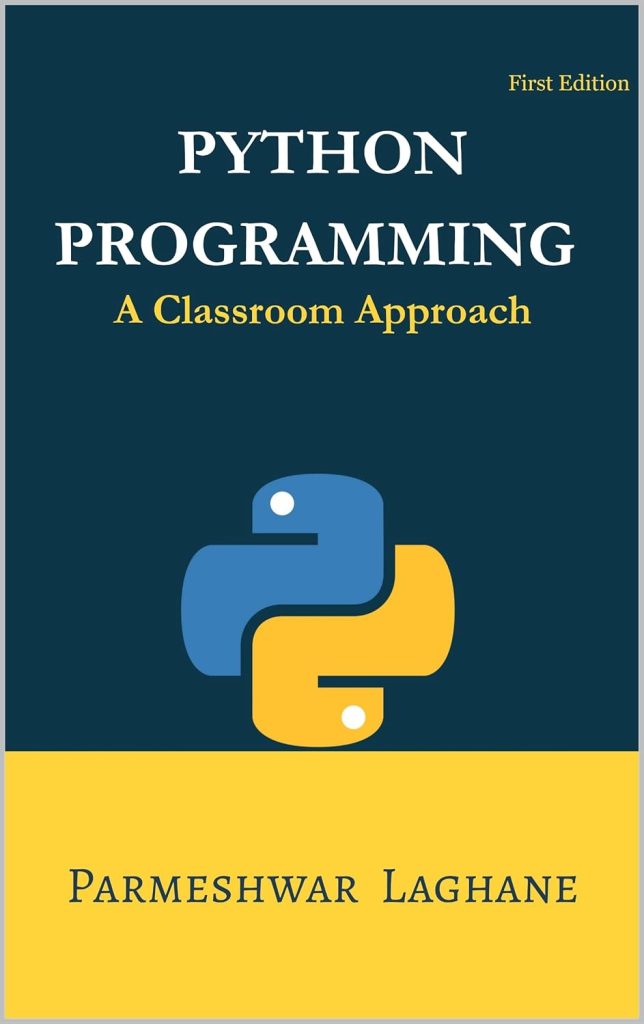
“Python Programming: A Classroom Approach (Piyu’s Series of Python Books Book 1)” is designed to simplify your journey into the world of Python. If you’re looking for a resource that combines easy-to-understand instructions with practical examples, this may just be the book for you. It aims to provide a classroom-like experience that makes learning Python enjoyable and effective.
Content Structure
One of the standout features of this book is its well-structured layout. Each chapter builds upon the last, making it easy for you to follow along and grow your understanding step-by-step.
| Chapter | Topics Covered |
|---|---|
| 1 | Introduction to Python |
| 2 | Variables and Data Types |
| 3 | Control Structures |
| 4 | Functions |
| 5 | Modules and Libraries |
| 6 | Error Handling |
| 7 | File I/O |
| 8 | Object-Oriented Programming |
| 9 | Project Application |
| 10 | Review and Exercises |
This breakdown allows you to see what each chapter includes, letting you easily identify areas of focus or where you might need to spend a bit more time.
Learning Style
Interactive Approach
This book incorporates an interactive approach, encouraging you to engage with the material actively. You aren’t just passively reading; you’re prompted to write code, solve problems, and apply what you’ve learned through hands-on exercises. This is particularly beneficial for someone who learns best by doing.
Practical Examples
Throughout the book, you’ll encounter practical examples that you can relate to real-world situations. The author does an excellent job of contextualizing programming concepts, which can make complex topics easier to grasp. By viewing code in the context of practical applications, you will find learning becomes less intimidating.

Writing Quality
Clarity and Conciseness
The language used in “Python Programming: A Classroom Approach” is clear and concise. You won’t find yourself bogged down in overly technical terms or complicated explanations. Instead, the content reads smoothly and is accessible to beginners. It feels like you’re having a conversation with a friend who knows a lot about Python.
Engaging Tone
The friendly tone makes the book feel welcoming. It’s almost as if you have a mentor guiding you through the learning process. This approachable style helps to reduce any anxiety you might have towards programming, making it easier for you to engage with the material.
Visual Aids
Illustrations and Diagrams
Visual aids can make a major difference in your learning experience. The book includes diagrams and illustrations that visually represent concepts, helping you to understand ideas that might otherwise be difficult to visualize. For instance, flowcharts for control flows can assist you in grasping how Python processes logic.
Code Snippets
One of the most practical aspects of the book is the inclusion of code snippets. As you read through the examples, you’ll find snippets of code that you can readily implement. This hands-on approach reinforces your learning by allowing you to see immediate results from the examples provided.

Practical Applications
Real-World Applications
The book emphasizes the real-world applicability of Python. By the time you finish, you will have insights into how Python is used in various fields such as data analysis, web development, and automation, among others. Understanding the real-world implications of what you’re learning helps to keep you motivated.
Final Project
One particularly exciting aspect of the book is the inclusion of a final project. After you’ve absorbed the many concepts throughout the chapters, you’ll have an opportunity to apply everything you’ve learned in a comprehensive way. This not only solidifies your knowledge but gives you a project you can showcase or add to your portfolio.
Additional Features
Study Questions
At the end of each chapter, you’ll find study questions designed to test your understanding of the material. These questions help reinforce what you’ve learned and ensure that you’re ready to move on to the next chapter.
Answers and Solutions
The answers to the study questions are provided to help you check your work. If you ever find yourself stuck, referring back to these solutions can guide you in the right direction.
Resources for Further Learning
At the conclusion of the book, you’ll discover a list of resources for further learning. Whether it’s links to online courses, forums, or other texts, having these resources at your fingertips can help you continue your programming journey beyond this initial book.

Community Support
Engaging with Others
One of the most valuable assets in learning programming is the community. The book encourages you to engage with others, whether it’s through forums, study groups, or online platforms. Building connections with fellow learners can provide encouragement and help when you’re feeling stuck.
Online Community
In addition to offline resources, there’s an online community you can tap into. The author promotes discussion among readers, allowing you to ask questions, share insights, and learn from each other. This aspect cultivates a sense of belonging, which can enhance your learning experience.
Accessibility and Cost
Formats Available
The Kindle edition makes it easy for you to access the book on multiple devices. Whether you prefer to study on your tablet, smartphone, or e-reader, having a digital copy ensures you can learn anywhere you go.
Affordability
Considering the depth of content available, the price of the Kindle edition is quite reasonable. Investing in your education is crucial, and this book offers great value for the knowledge and skills you gain.

Final Thoughts
Who This Book Is For
If you’re someone who’s new to programming, or even if you have some coding experience but wish to strengthen your Python skills, this book is aimed at you. It breaks down complex topics into manageable sections, ensuring you won’t feel overwhelmed.
Why You Should Choose This Book
The combination of a friendly tone, practical examples, and a structured approach makes this book an excellent choice. You will not only learn the fundamentals but also gain the confidence needed to start applying Python in meaningful ways.
Overall Assessment
In conclusion, “Python Programming: A Classroom Approach (Piyu’s Series of Python Books Book 1)” is a fantastic resource for anyone eager to learn Python. Its interactive style, practical examples, and supportive community make the journey towards mastering Python enjoyable and effective. Why not grab a copy and kick-start your Python programming adventure today? It’s the first step in a rewarding journey that can open a world of opportunities for you!

Disclosure: As an Amazon Associate, I earn from qualifying purchases.