What if you could transform your ideas into functioning programs with just a few lines of code?

Overview of Python for Beginners
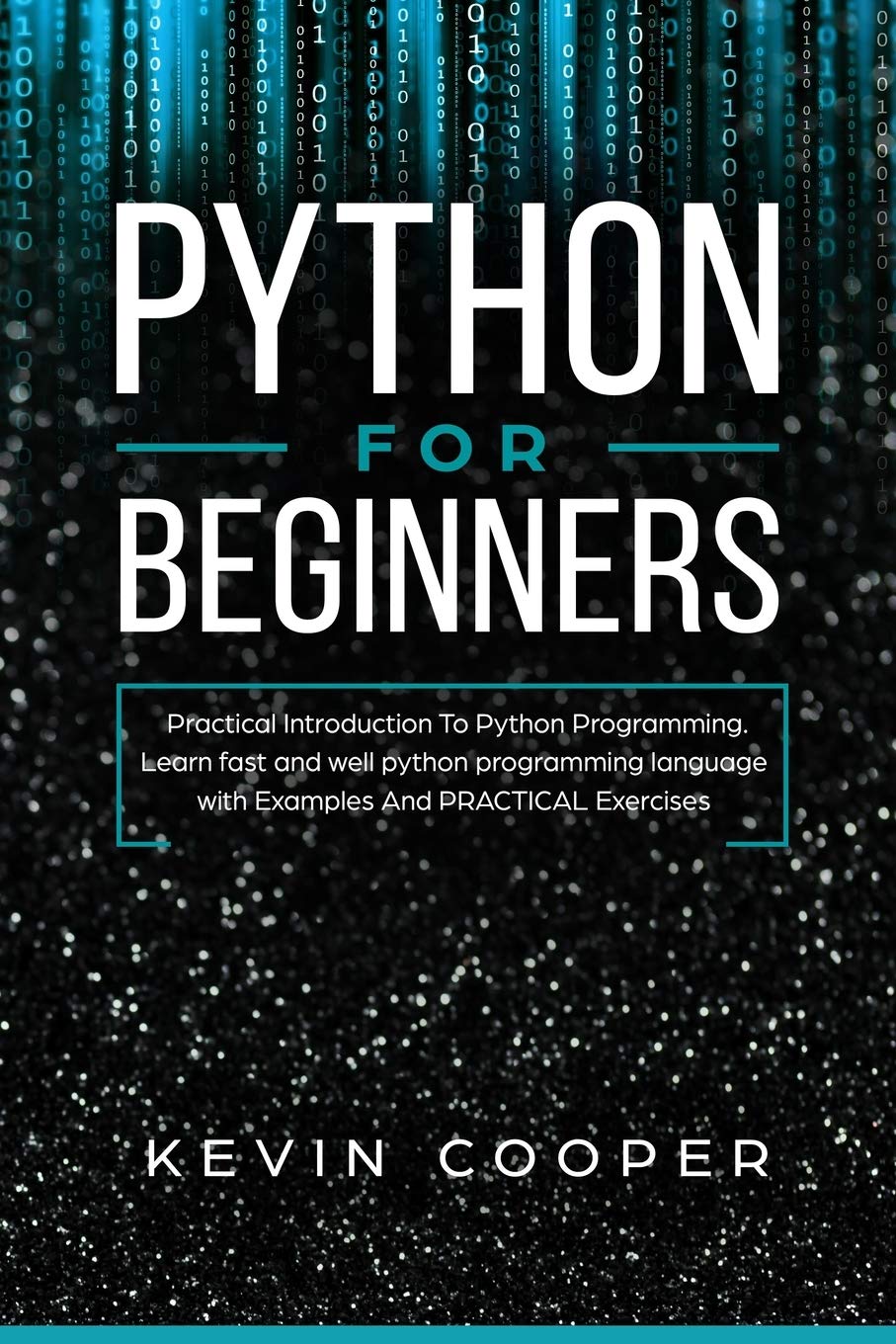
“Python for Beginners: Practical Introduction to Python Programming” is designed with you in mind, especially if you’re new to coding or have minimal experience. This guide aims to provide you with the tools you need to not only learn Python but also to apply it practically.
Learning Methodology
The course uses a hands-on approach that focuses on real-world applications. You won’t just be reading theoretical concepts; you’ll be expected to engage with practical exercises that enhance your understanding. This methodology reflects an effective learning style, ensuring you grasp the core principles quickly and effectively.
Course Structure
Understanding the course structure is crucial for setting your expectations. Here’s a brief breakdown:
| Section | Content Focus |
|---|---|
| Introduction | Basics of Python, installation |
| Data Types | Numbers, Strings, Lists, Dictionaries |
| Control Structures | IF statements, Loops |
| Functions | Definition, Arguments, Return values |
| Error Handling | Try/Except blocks |
| Practical Exercises | Real-world scenarios to apply learning |
| Final Projects | Capstone project to demonstrate your skills |
This table summarises what you can expect from each section, ensuring that you receive a well-rounded knowledge of Python programming.
Getting Started with Python
Setting Up Your Environment
Before writing your first line of code, you need to install Python on your machine. The course provides detailed, step-by-step instructions, which is especially helpful if you’re not tech-savvy. You can download Python from the official website and follow the installation guide, which is clearly explained.
Your First Program
It’s always exciting to write your first piece of code! The course demonstrates how to set up a simple “Hello, World!” program. This foundational exercise offers immediate gratification and motivation, which is essential when you’re starting.

Understanding Python Basics
Data Types in Python
In Python, data types are crucial since they determine how data is stored, manipulated, and processed. You’ll learn about various data types like integers, floats, strings, and booleans through practical examples.
Variables and Constants
You’ll find that variables are a key concept in programming. They hold data that your program can manipulate. The course breaks down how to name variables correctly and explains the difference between variables and constants in a concise manner.
Control Structures
Conditional Statements
Conditional statements allow your programs to make decisions based on certain conditions. You will work on IF statements that enable your code to perform different actions based on different conditions. This aspect of the course could be pivotal for creating dynamic programs.
Loops
You’ll also get to focus on loops, which are essential for executing a block of code multiple times. Understanding FOR loops and WHILE loops will enable you to automate tasks and handle data efficiently. This part of the course includes exercises that directly relate to real-world applications, such as data processing.

Functions in Python
Defining Functions
Functions are blocks of code that only run when called. The course teaches you how to define your own functions, making your code modular and reusable. You’ll appreciate how functions can make your code cleaner and easier to understand.
Arguments and Return Values
Learning how to pass arguments and return values from functions is crucial. This allows you to create more flexible and powerful code. Real-life examples help solidify these concepts, making them relatable and easier to understand.
Error Handling
Understanding Errors
Errors can be frustrating, but the course provides insight into understanding different types of errors that can occur in Python. You’ll learn about syntax errors, runtime errors, and logical errors, which can save you a lot of time in debugging.
Try and Except Blocks
One of the standout features of this course is its emphasis on error handling. You will learn to use Try and Except blocks, allowing your code to handle errors gracefully instead of crashing. This knowledge is vital for writing robust programs that can manage unexpected situations.

Hands-On Projects
Real-World Applications
Theory is great, but hands-on experience is invaluable. This course includes multiple practical exercises that relate to real-world scenarios. For example, you might create a simple calculator or a text-based adventure game, reinforcing your knowledge in a fun way.
Capstone Project
Toward the end of the course, you will engage in a final project that encapsulates everything you’ve learned. This capstone project is not just a test; it’s an opportunity for you to showcase your newfound skills and creativity.
Summary of Key Takeaways
Python is Beginner-Friendly
One of the most welcoming aspects of Python is its syntax, which emphasizes readability and simplicity. You’ll find that the course goes a long way in allowing you to harness the power of Python without drowning in complexity.
Continuous Practice is Key
The course emphasizes practice, providing you with enough exercises to hone your skills. Regularly working through coding challenges will enhance your capabilities and boost your confidence.
Community and Support
Lastly, the course fosters a sense of community. Engaging with other learners can provide motivation and clarity. Don’t hesitate to reach out and ask questions—this support network proves beneficial as you navigate through your learning journey.

Final Thoughts
The “Python for Beginners: Practical Introduction to Python Programming” course effectively combines theory and practical knowledge. By the end of it, you should feel confident in your ability to write Python code and tackle programming challenges. Whether you want to build applications or analyze data, the skills you acquire will serve as a strong foundation for your programming journey.
You’ll appreciate how detailed this course is and how the examples provided cater to various learning styles. The practical exercises ensure that you not only learn but apply your knowledge in meaningful ways.
Remember, every expert was once a beginner. The fact that you’re considering investing your time in learning Python is commendable. With this course, you’re on the right path to becoming proficient in a language that is highly sought after in the tech industry. Good luck, and enjoy your programming journey!

Disclosure: As an Amazon Associate, I earn from qualifying purchases.