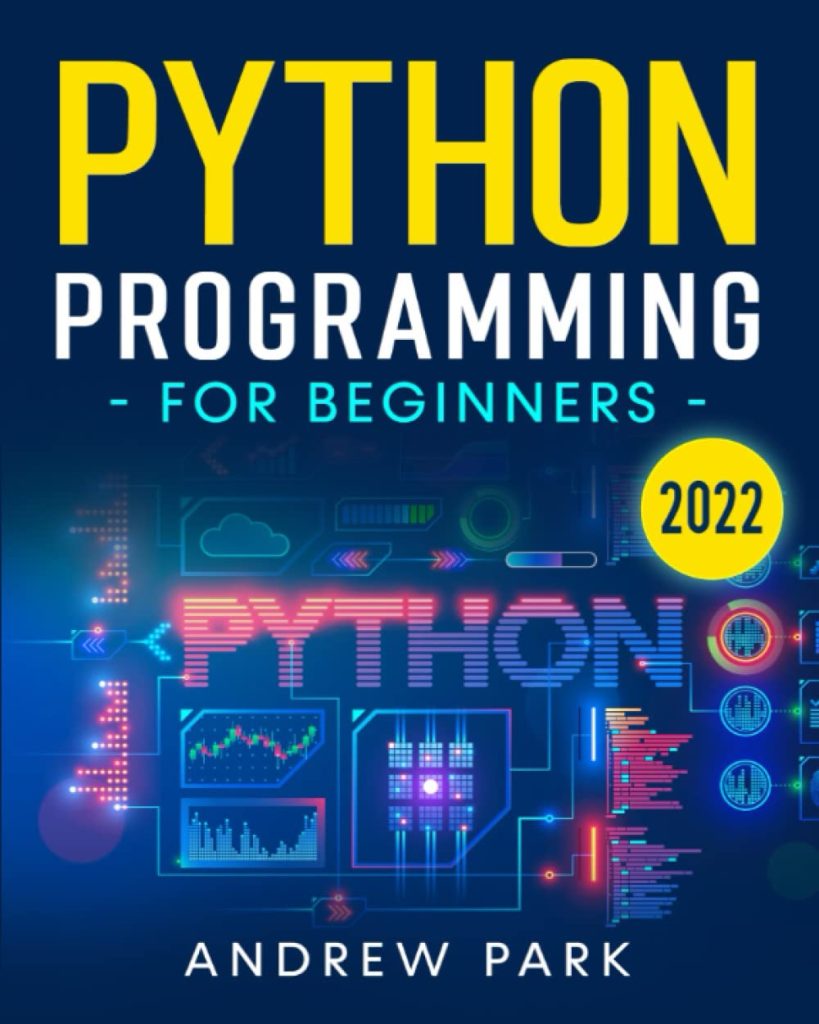
What if you could become proficient in Python programming in just seven days? Imagine the satisfaction of tackling programming projects with confidence! With “Python Programming for Beginners: The Ultimate Crash Course to Learn Python in 7 Days with Step-by-Step Guidance and Hands-On Exercises,” that dream can turn into a reality.

Overview of the Course
The course is designed specifically for beginners, making it approachable for anyone with little or no programming knowledge. You’ll find it to be an all-encompassing resource that makes learning intuitive and straightforward. The focus is on hands-on exercises, ensuring that you don’t just read about Python; you actually practice using it.
What You’ll Learn
The curriculum covers a wide range of topics, providing a comprehensive understanding of Python. Here’s a breakdown of what you can expect:
| Days | Topics Covered | Activities |
|---|---|---|
| Day 1 | Introduction to Python | Installation and setup |
| Day 2 | Basic Syntax and Data Types | Writing your first Python scripts |
| Day 3 | Control Structures | Hands-on exercises with loops |
| Day 4 | Functions and Modules | Creating reusable code blocks |
| Day 5 | Working with Collections | Lists, tuples, dictionaries |
| Day 6 | File Handling | Reading and writing files |
| Day 7 | Final Project and Best Practices | Building a small project |
With each passing day, you gain skills that build upon the previous day’s lessons. It’s structured in a way that allows for progressive learning while also reinforcing previous knowledge.
Day-by-Day Breakdown
Day 1: Introduction to Python
On the first day, you will install Python and get familiar with its environment. This is crucial because understanding the setup is the first step in coding. The course provides a clear guide on dealing with installation issues and configuring your IDE (Integrated Development Environment).
Day 2: Basic Syntax and Data Types
After setting up, you’ll jump right into the basic syntax. You’ll learn about variables, strings, numbers, and basic operations. Hands-on exercises give you ample opportunities to write your first scripts, allowing you to grasp these concepts practically.
Day 3: Control Structures
Control structures like loops and conditionals are pivotal in programming. You’ll practice creating if-else statements and loops to control the flow of your program. It’s not just about coding; you’ll find yourselves solving simple puzzles using what you’ve learned about control structures.
Day 4: Functions and Modules
Functions play a significant role in Python programming. You’ll learn how to define your own functions, understand scope, and how to organize your code with modules. It’s like putting together pieces of a puzzle, allowing you to combine your knowledge across various topics.
Day 5: Working with Collections
This day focuses on collections like lists, tuples, and dictionaries. The course gives you practical exercises to reinforce these concepts. After this day, you’ll have the necessary skills to manage data effectively, which is essential for any programming task.
Day 6: File Handling
File input and output are critical if you want to work with persistent data. You’ll gain experience reading from and writing to files. It’s satisfying to see your program interact with stored data, and the course walks you through how to do this safely and efficiently.
Day 7: Final Project and Best Practices
The final day culminates in applying everything you’ve learned into a small project. This is where the real excitement lies. You’ll implement best practices in coding, such as code readability and optimization. It’s a fantastic way to wrap up your week of learning.

Hands-On Exercises
Hands-on practice is emphasized throughout the course, ensuring that you don’t just learn theoretically. Each section includes exercises that promote understanding and retain what you’ve learned. You will find yourself solving real programming challenges, which is rewarding and invaluable.
Benefits of Hands-On Learning
- Retention: Practicing what you learn significantly boosts retention. Your brain creates connections that help solidify the knowledge.
- Problem Solving: Real-world coding challenges enhance problem-solving skills, which is crucial in programming.
- Confidence Building: Successfully completing exercises improves your self-confidence. You’ll approach new challenges with a “I can do this” mindset.
Support and Community
Learning to code can be overwhelming, but the support and community that comes along with the course help to ease this process. You have access to forums and discussion boards, allowing you to interact and share experiences with fellow learners.
Ways to Engage with the Community
- Discussion Forums: You can ask questions, share insights, and offer support to others.
- Peer Reviews: Get feedback on your work from peers. This can improve your coding and allow you to see different perspectives.
- Resource Sharing: Share helpful articles, videos, or resources that can benefit the community. Collaboration enhances the learning experience.
Personalized Learning Experience
One of the standout features of this course is its personalized approach. If you encounter difficulties, you’re encouraged to take your time with the material. The course’s design allows for flexible learning, accommodating different paces and styles.
Adapting to Your Learning Style
- Visual Learners: The course includes diagrams and flowcharts that can visualize programming concepts.
- Auditory Learners: There are video explanations accompanying the lessons, catering to those who learn better through listening.
- Kinesthetic Learners: Hands-on activities are central to the learning process, making it perfect for those who learn best by doing.
Final Project Experience
The final project not only consolidates your learning but serves as a portfolio piece for future job applications. The course guides you through planning, designing, coding, and testing a program from start to finish.
What to Expect from the Project
- Real-World Application: You’ll create something functional, putting your skills to practice.
- Portfolio Material: This project can showcase your capabilities to potential employers.
- Self-Esteem Boost: Completing a project reinforces your skills and validates your learning.

Value for Money
Given the breadth and depth of content as well as the hands-on approach, the course offers significant value for your investment. Consider how much time it saves compared to traditional learning methods or boot camps.
Cost vs. Benefits Breakdown
| Category | Value |
|---|---|
| Training Hours | Intensive 7-Day Program |
| Access to Resources | Lifetime Access |
| Community Support | Active online community |
| Practical Exercises | Real-world applications |
The combination of these factors gives you a robust platform to kickstart your Python programming journey without breaking the bank.
Conclusion: Is It Right for You?
If you’re contemplating embarking on a programming journey, this course is an excellent choice tailored for beginners. The structure, hands-on approach, and community support create a conducive environment for learning.
Deciding Factors
- Motivation: If you’re eager to learn and willing to put in the effort, this crash course will serve you well.
- Time Commitment: It requires a week of dedication. If you can allocate this time, the rewards are substantial.
- Future Aspirations: Whether for job prospects, personal projects, or academic goals, the skills you gain can be transformative.
The decision is yours, but with a structured roadmap and supportive community, “Python Programming for Beginners: The Ultimate Crash Course” equips you with the necessary tools to thrive in the world of programming. You’ll come out on the other end not just with knowledge, but with the ability to apply it skillfully in real-world scenarios.
So, are you ready to turn those coding aspirations into reality? Make that commitment, and take the first step!

Disclosure: As an Amazon Associate, I earn from qualifying purchases.