
Learning a programming language can feel overwhelming, but there’s a simple way to make it manageable and effective. By applying the 80-20 rule, you can focus on the most vital aspects of coding that yield the greatest results. This approach allows you to efficiently absorb key concepts while setting the stage for deeper understanding as you grow.
In this article, you will explore the top programming languages, discover effective strategies for learning to code, and get insights on mastering popular languages like Python, JavaScript, and Java. Additionally, tips on how to embark on a journey to become a software engineer will be shared, providing you with practical guidance every step of the way.
Understanding the 80-20 Rule
Definition of the 80-20 Rule
The 80-20 Rule, also known as the Pareto Principle, asserts that 80% of effects come from 20% of causes. In the context of learning, this means that a small portion of the material you study will yield the majority of your results. For you, identifying this critical 20% can drastically enhance your learning efficiency. Rather than getting lost in every detail, focusing on the most impactful segments of your study can accelerate your progress.
Application of the 80-20 Rule in Learning
When it comes to learning programming, applying the 80-20 Rule can lead to quicker mastery. Most programming languages share fundamental concepts like variables, control structures, functions, and data types. By concentrating on these key elements, you can grasp the core functionalities of a language much faster. This approach allows you to start coding earlier, building your confidence while you learn.
Identifying the Most Critical 20% of Content
To identify which 20% of content is most critical, first, break down the curriculum of the programming language or topic you want to learn. You should look for themes that recur in various programming tasks, such as loops, conditional statements, and basic data structures. Don’t hesitate to seek guidance from experienced programmers or curated resources that highlight essential topics, as this can save you time and effort in the long run.
Choosing the Right Programming Language
Popular Programming Languages Overview
The landscape of programming languages includes a variety of options, each with its applications and communities. Python is renowned for its simplicity and versatility, making it popular among beginners and professionals alike. JavaScript excels in web development, providing the backbone for interactive websites. Java is widely used in enterprise-level applications and Android development. Choosing the right language depends greatly on what fits your interests and career aspirations.
Factors to Consider When Choosing a Language
There are several factors to consider when selecting a programming language. Think about your goals: Are you interested in web development, data science, mobile app creation, or game development? Research the job market and see which languages are in demand in your desired field. Also, evaluate the resources available for learning each language, including tutorials, frameworks, and community support.
Aligning Language Choice with Career Goals
Once you’ve identified your interests, align your choice of programming language with your career goals. For instance, if you’re keen on entering the data analysis field, learning Python would be beneficial due to its extensive libraries like Pandas and NumPy. On the other hand, if front-end development attracts you, mastering JavaScript is essential. By aligning your language choice with your career aspirations, you set yourself up for success.
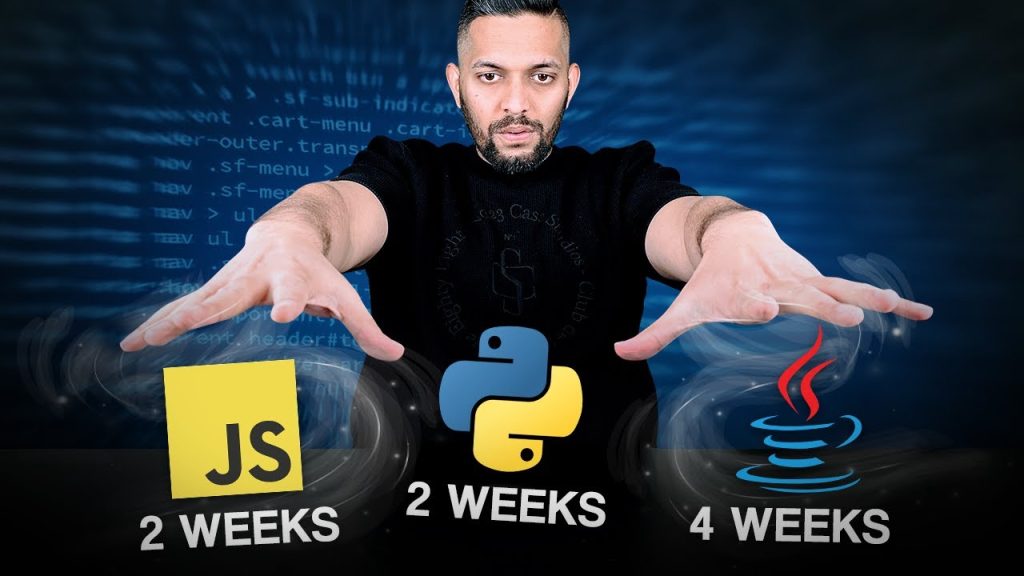
Learning Coding Fundamentals
Key Concepts in Programming
To build a solid foundation in programming, familiarize yourself with key concepts such as variables, data types, control flow (if statements, loops), functions, and basic data structures (arrays, lists, dictionaries). Understanding these fundamentals will help you tackle more complex problems as you progress, ensuring you have the tools needed to write effective code.
Understanding Syntax vs. Logic
Every programming language has its syntax, which is akin to grammar in spoken languages. You’ll need to learn how to structure your code correctly. However, the real skill lies in understanding logic—the ability to translate a problem into code that a computer can execute. Focus on enhancing your logical thinking, as it will make learning different languages easier and more intuitive.
Resources for Learning Basics
There is a wealth of resources available to help you grasp the basics of programming. Start with online platforms that offer interactive coding exercises, such as coding bootcamps or free online courses. Books, video tutorials, and coding communities can also provide invaluable insights and support as you embark on your learning journey.
Focused Learning Techniques
Setting SMART Goals for Learning
Setting SMART goals—Specific, Measurable, Achievable, Relevant, and Time-bound—can immensely enhance your learning process. For instance, instead of saying, “I want to learn Python,” aim for “I will complete a Python introductory course and build a simple project within three weeks.” This provides you with a clear roadmap, making it easier to stay motivated and track your progress.
Utilizing Active Learning Approaches
Active learning involves engaging with the material actively rather than passively consuming it. This can include activities like writing code, debugging, or participating in coding challenges. Engaging with the content ensures that you retain what you’ve learned and can apply it effectively in real-world situations.
Leveraging Online Courses and Tutorials
Online courses and tutorials are fantastic tools for structured learning. They often break down complex concepts into digestible chunks, allowing you to progress at your own pace. Select platforms that offer hands-on coding exercises, quizzes, and projects so that you can build your skills as you learn.

Practical Application of Skills
Importance of Project-Based Learning
Project-based learning is one of the most effective ways to solidify your coding skills. By applying what you’ve learned in practical scenarios, you develop a deeper understanding and gain experience that’s relevant in the field. Start with small projects that interest you and gradually increase their complexity as you become morecomfortable with coding.
How to Start Building Simple Projects
To kick off your project-based learning, think of simple ideas that can incorporate the programming concepts you’ve learned. This could be creating a personal website, a small game, or a basic data analysis script. Not only will this solidify your knowledge, but it also adds tangible work to your portfolio.
Collaboration and Contribution to Open Source
Collaborating on projects or contributing to open-source software can provide you with experience working in a team and expose you to high-level coding practices. Platforms like GitHub host numerous open-source projects where you can contribute. This collaborative effort can enhance your skills and develop your problem-solving abilities while allowing you to engage with established developers.
Learning Fast with Python
Key Python Concepts to Master First
To learn Python effectively, begin with foundational concepts such as data types, control structures, functions, and libraries. Understanding Python’s syntax and built-in functions will help you write clean and efficient code. Focus on mastering these basics before moving on to more advanced topics such as object-oriented programming or web frameworks.
Resources Specific to Python Learning
There are a plethora of resources tailored for learning Python. Websites like Codecademy, Coursera, and freeCodeCamp offer structured courses that cater to different skill levels. You can also find a multitude of books and online forums dedicated to Python programming that can serve as additional reading material.
Building Small Projects in Python
As you familiarize yourself with Python, consider building small projects such as a simple calculator, a to-do list application, or a web scraper. These projects provide excellent opportunities to apply what you’ve learned and reinforce your understanding of Python. Each project can be a stepping stone toward more complex applications.

Learning Fast with JavaScript
Core JavaScript Features to Focus On
When learning JavaScript, it’s essential to concentrate on core features such as DOM manipulation, event handling, and asynchronous programming (callbacks, promises, and async/await). Grasping these concepts will empower you to create interactive web applications and will form the backbone of your web development skills.
Useful JavaScript Libraries and Frameworks
Familiarizing yourself with popular JavaScript libraries and frameworks like React, Vue, and jQuery can significantly expand your capabilities. These tools can streamline your development process, making it easier to create sophisticated applications. Additionally, exploring these frameworks can help you understand best practices in modern JavaScript development.
Mini Projects to Enhance JavaScript Skills
Start by creating simple mini-projects such as a dynamic webpage, a weather app that fetches data from an API, or a basic game. Mini-projects offer the chance to apply JavaScript concepts actively and are an enjoyable way to showcase your skills. Plus, they can be added to your portfolio to demonstrate your development capabilities.
Learning Fast with Java
Essential Java Concepts and APIs
As you delve into Java, focus on essential concepts such as object-oriented programming principles (encapsulation, inheritance, polymorphism), exception handling, and Java Collection Framework. Familiarizing yourself with Java APIs will also enhance your ability to build robust applications. Taking these lessons to heart is crucial for mastering Java.
Recommended Java Learning Resources
To learn Java, consider exploring resources like online courses from platforms such as Udemy or edX, as well as books like “Effective Java” which is packed with best practices. Joining Java-focused communities can also be beneficial, providing you with mentorship and guidance throughout your learning journey.
Creating Applications Using Java
Using Java to create applications can provide practical experience in software development. Start by building console applications to understand the language’s structure before moving on to graphical user interfaces or web applications using frameworks like Spring. Each application can serve to enhance your knowledge and skills.

Becoming a Software Engineer
Education Pathways for Software Engineering
If you aspire to become a software engineer, various educational pathways exist, including formal degrees in computer science, bootcamps, or self-directed learning through online resources. Each option has its advantages; choose one that aligns with your learning style and career goals.
Essential Skills for Aspiring Software Engineers
As an aspiring software engineer, mastering coding languages is just the beginning. You’ll also need to develop problem-solving skills, understand algorithms and data structures, and learn about software development methodologies like Agile and Scrum. These skills will prepare you for various situations in the workplace.
Building a Strong Portfolio
Creating a strong portfolio is crucial in showcasing your skills to potential employers. Include completed projects, contributions to open-source code, and any relevant certifications. Provide well-documented examples of your work that demonstrate your ability to solve problems and write efficient code.
Conclusion
Recap of the 80-20 Rule in Learning
In summary, the 80-20 Rule can transform your learning process by helping you focus on the most critical concepts that yield the best results. By applying this principle in your programming journey, you can maximize your learning efficiency and confidence in your abilities.
Encouragement to Start the Learning Journey
Don’t wait to start your coding journey! By taking the first step today and applying the strategies outlined in this article, you’re on the path to success. Embrace the challenges and enjoy the learning process, as it will only make you a better programmer.
Final Thoughts on Lifelong Learning in Programming
Programming is ever-evolving, and the best programmers prioritize lifelong learning. Stay curious, keep up with new technologies, and challenge yourself with new projects. Your dedication to learning will keep you relevant in the field and open up numerous opportunities for growth.