
What if you could learn coding in a fun and engaging way?
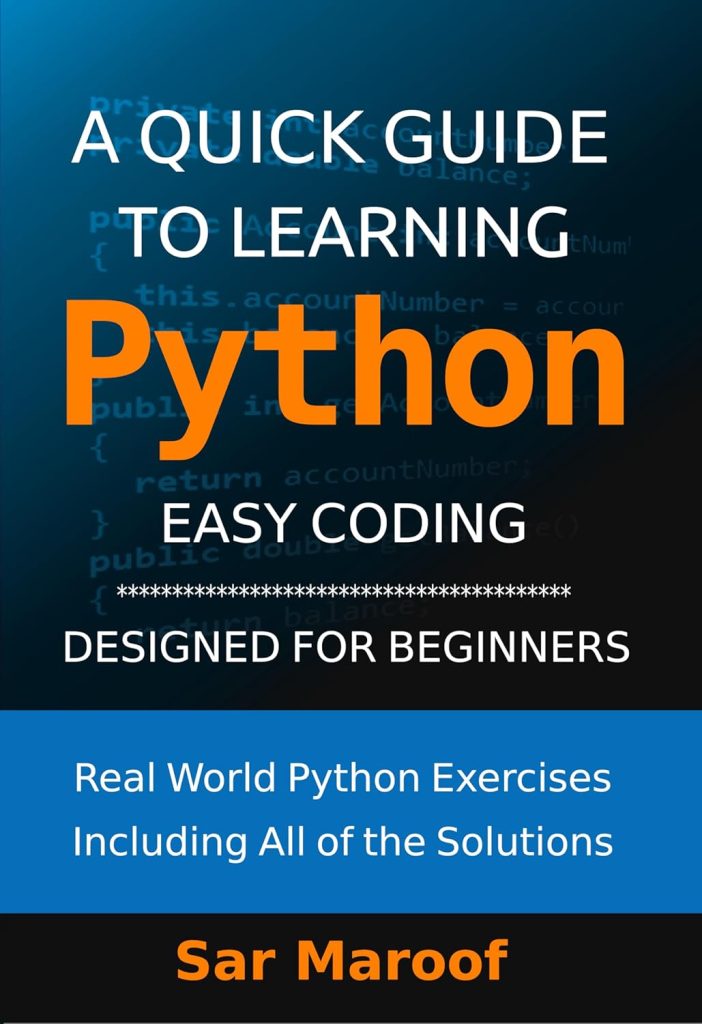

An Overview of “A Quick Guide to Learning Python”
When you think about programming, does it feel intimidating? “A Quick Guide to Learning Python: Easy Coding, Designed for Beginners,” aims to change that perception. This Kindle Edition is specifically tailored for individuals who are just starting their programming journey. The author has brilliantly organized the material into digestible sections, making coding less daunting.
User-Friendly Format
One of the standout features of this guide is its user-friendly format. The layout is clean, and the language is approachable, which makes it suitable for anyone without prior coding experience. The use of real-world examples helps to ground abstract concepts, making them easier for you to grasp.
Structured Learning Path
The guide is divided into well-structured chapters, each building on the previous concepts. This logical progression helps ensure that you’re not just memorizing syntax but actually learning how to think like a programmer. It takes you from the very basics to more advanced topics in a manner that feels natural.
Core Topics Covered
The content is vast yet simplified, and you’ll notice that it covers core topics critical for any aspiring coder. Here’s a breakdown of some of the essential subjects you’ll encounter:
| Topic | Description |
|---|---|
| Variables and Data Types | Understand different data types and how to use variables. |
| Control Flow | Learn how to use if-statements and loops. |
| Functions | Master how to define and call functions. |
| Data Structures | Get to grips with lists, tuples, and dictionaries. |
| Modules and Libraries | Discover how to leverage Python’s extensive libraries. |
| Object-Oriented Programming | Learn the basics of OOP and how to create classes. |
Variables and Data Types
In the first few chapters, you’ll be introduced to variables and data types. Here you’ll learn about integers, strings, floats, and booleans. Each concept is explained using clear examples and hands-on exercises to reinforce your understanding.
Control Flow
After you grasp the basic data types, the guide moves on to control flow. This section breaks down the logic of programming with conditional statements and loops. You’ll learn how to make decisions in your code and write loops that repeat tasks, which are fundamental skills in programming.
Functions
Next up is functions – a crucial part of writing efficient code. The guide explains how to create your own functions, why they’re beneficial, and how to call them effectively. By the end of this section, you’ll understand how to organize your code in a way that boosts readability and reusability.
Data Structures
Once you’re comfortable with functions, you’ll explore data structures. Lists, tuples, and dictionaries are foundational structures in Python, and this guide explains each with examples that reinforce their practical applications. You’ll find that manipulating data will become second nature as you practice.
Modules and Libraries
Python is a powerhouse when it comes to libraries and modules, and this guide introduces you to how they work. You’ll learn how to import libraries, which can significantly speed up your coding process. The guide provides examples of popular libraries and showcases how to use them effectively.
Object-Oriented Programming
The final major topic covers Object-Oriented Programming (OOP). Although this may seem complex at first, the guide breaks it down into simple terms. By learning about classes, objects, and inheritance, you’ll obtain the tools to design more sophisticated programs.

Practical Applications
What sets this guide apart is its emphasis on practical applications. The author encourages you to apply what you learn in real-world scenarios, which helps solidify your understanding and makes learning feel more relevant.
Exercises and Projects
Every chapter culminates in exercises and projects that challenge you to utilize the concepts covered. These hands-on experiences not only reinforce what you’ve learned but also provide a sense of accomplishment. For instance, you might be tasked with creating a simple game or a data analysis project.
Community and Resources
In addition to the guide, you’ll gain access to a community of fellow learners. Engaging with others who share the same interests can further enhance your learning experience. The author provides recommendations for forums and online resources where you can ask questions and share insights as you continue your coding journey.
What You Will Gain from This Guide
If you commit time to this guide, the skills you develop will open doors to various opportunities. Here’s a brief summary of what you can expect to gain:
- Basic Programming Skills: You’ll come away with fundamental coding skills that are applicable in many domains.
- Problem-Solving Mindset: The guide encourages a methodical approach to problem-solving that will benefit you beyond coding.
- Confidence: As you familiarize yourself with Python, your confidence in programming will grow, motivating you to tackle more complex projects.

Why Choose Python?
You may wonder why Python is often recommended as the first programming language to learn. Here are some compelling reasons:
- Readability: Python’s syntax is straightforward, making it easier for beginners to read and understand.
- Versatile Applications: Whether you’re interested in web development, data analysis, or artificial intelligence, Python is widely used across various fields.
- Supportive Community: The Python community is active and filled with resources to help new learners, including tutorials, forums, and extensive documentation.
Final Thoughts
“A Quick Guide to Learning Python: Easy Coding, Designed for Beginners” serves as an excellent introduction to programming. It not only covers the fundamental aspects of Python in a comprehensive manner but also ensures that you have the tools needed to practice and engage with the concepts presented. The structured approach makes it suitable for anyone new to coding, while the additional resources help you extend your knowledge beyond the book.
By the time you complete this guide, you’ll be equipped with not just coding skills but also a new way of thinking. Whether you aim to start a career in tech or simply want to enhance your problem-solving capabilities, you’ll find value in this approach. Invest your time with this guide, and watch as you transform from a novice into someone who is ready to take on coding challenges with confidence.
Your journey in coding awaits!

Disclosure: As an Amazon Associate, I earn from qualifying purchases.