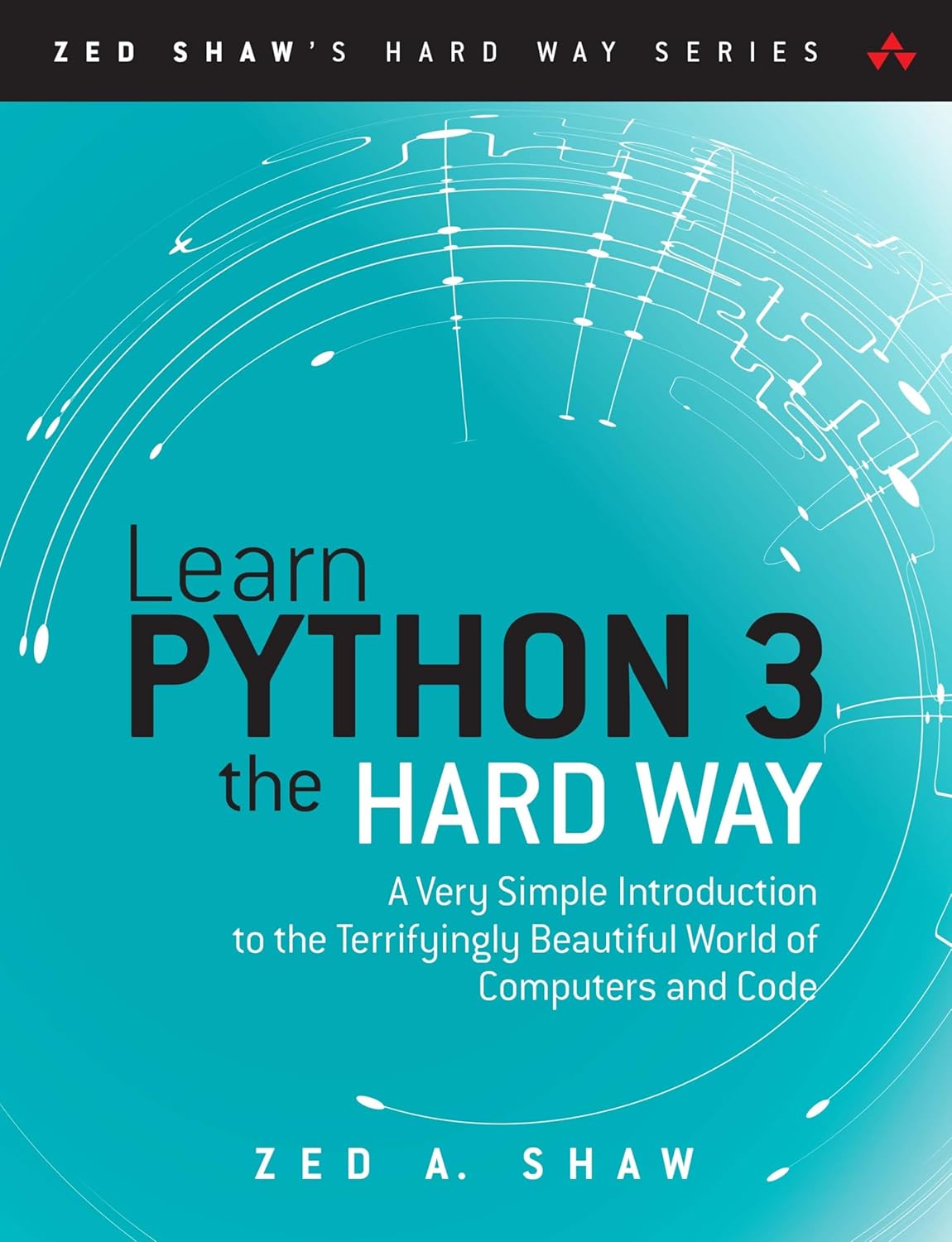
What if learning a programming language could be as straightforward as following a recipe?


Overview of “Learn Python 3 the Hard Way”
“Learn Python 3 the Hard Way” by Zed Shaw is not just another programming book; it’s a journey into the basics of Python 3 through hands-on exercises and practical examples. This approach is perfect for newcomers to programming as well as those who need a refresh on Python.
Target Audience
The book caters primarily to beginners. Whether you’re someone who has never written a line of code or a seasoned professional looking to get a grasp on Python 3, this book has something for you. Here’s a quick breakdown:
| Audience Type | What You’ll Gain |
|---|---|
| Absolute Beginners | Fundamental programming concepts |
| Experienced Programmers | A new perspective on Python |
| Students in Coding Bootcamps | Structured learning path |
Structure of the Book
Shaw has a clear structure that guides you through the learning process. It consists of 52 exercises, which may seem a lot, but they are designed to build upon one another, helping to solidify your understanding as you go along.
Hands-On Exercises
One of the standout features of this book is the focus on hands-on exercises. After explaining a concept, Shaw immediately encourages you to apply what you’ve learned. This is crucial because theory without practice may leave you feeling overwhelmed.
Short Chapters
Each exercise is divided into short, manageable chapters. This makes the information easier to digest, ensuring you won’t feel bogged down or discouraged. A small win after each chapter boosts your confidence and makes you eager to keep going.
Learn by Doing
The book emphasizes the principle of “learning by doing,” meaning you get to write actual code right from the get-go. You won’t just read about Python; you’ll use it, which helps reinforce the concepts in your mind.

Writing Style
Zed Shaw’s writing style is approachable and conversational. He avoids technical jargon, opting instead for straightforward language that most readers can understand without feeling lost. This friendly tone helps to reduce the intimidation factor that often comes with learning to code.
Engaging Narration
The way Shaw narrates the concepts keeps you engaged. You won’t find dry text that makes you doze off; it’s as if he’s right there, guiding you through every step. This connection is crucial for creating an enjoyable learning experience.
Content Depth
The book covers essential Python 3 concepts that every programmer should know. Let’s break down some core topics.
| Topic | Description | Difficulty Level |
|---|---|---|
| Installing Python | Step-by-step guidance on setting up Python on your computer. | Easy |
| Variables & Data Types | Introduction to how to store and manipulate data in Python. | Easy |
| Control Flow | Understanding how to make decisions in your code with if statements, loops. | Medium |
| Functions | Learn to create reusable code blocks that make your programs cleaner. | Medium |
| Error Handling | How to manage exceptions and debug code effectively. | Medium |
| Object-Oriented Programming | An introduction to classes and objects, building more complex programs. | Hard |

Learning Approach
You may wonder why Shaw calls it “the hard way.” It’s not meant to scare you; rather, it’s about challenging yourself and putting in the effort to truly understand concepts.
Discipline Over Convenience
Shaw emphasizes discipline over simple, convenient shortcuts. This will require you to sit down, write code, and troubleshoot issues. While the process may seem daunting, it empowers you with the knowledge and confidence to tackle future coding challenges effectively.
Interactive Coding
Another fascinating aspect of this book is how it encourages interaction with your code. The exercises often require you to think critically and ask questions like:
- What happens if I change this line of code?
- Can I simplify this?
- How can I make this code more efficient?
Engaging with your code in this way can reinforce learning and inspire creativity.
Pros and Cons
Every product has its strengths and weaknesses, so let’s look at what you can expect when using this book.
Pros
- Hands-On Learning: Real coding exercises lead to a practical understanding of Python.
- Supportive Tone: The friendly narrative encourages you to persist.
- Structured Approach: You’ll follow a logical path that builds on previous knowledge.
- Focus on Troubleshooting: Emphasis on debugging teaches you a crucial skill.
Cons
- No Visuals: Some readers may find the lack of illustrations challenging.
- Speed: The pace might be slow for those with previous coding experience.
- Rigidity: The “hard way” might be intimidating for some who prefer a softer approach to learning.

Supplementary Resources
Although the book is comprehensive, you might find that exploring additional resources can enhance your learning experience.
Online Forums and Communities
Joining a coding community can provide support as you learn. Sites like Stack Overflow, Reddit’s r/learnpython, or Python Discord help you connect with other learners and experienced programmers.
Video Tutorials
If you’re a visual learner, pairing the read with video tutorials can be beneficial. YouTube has numerous channels dedicated to Python programming, which can offer practical demonstrations that complement Shaw’s teachings.
Practice Websites
To further reinforce your skills, consider checking out coding challenge websites like LeetCode or HackerRank. They provide exercises that will help sharpen your coding abilities, allowing you to apply what you’ve learned from the book in real-world scenarios.
Final Thoughts
Learning Python does not have to be a terrifying venture. With Zed Shaw’s “Learn Python 3 the Hard Way,” you are given a roadmap to navigate through the complex yet beautiful world of coding.
Recommendations for Use
- Take Your Time: Don’t rush through the exercises. Focus on understanding each concept fully before moving on.
- Keep a Journal: Document your learning process, problems faced, and solutions found. It’ll serve as a handy reference in the future.
- Pair Programming: Work with a friend or peer if possible. Explaining concepts to others can solidify your understanding while helping them learn too.
Final Takeaway
This book isn’t just about learning Python; it’s a course in discipline, critical thinking, and problem-solving. Embracing the challenge will not only help you become proficient in Python but may also spark a passion for programming that could lead to a rewarding career.
So, are you ready to take the plunge and see what you can create with Python 3? What’s stopping you? Enjoy your coding journey—there’s a vast world waiting for you!

Disclosure: As an Amazon Associate, I earn from qualifying purchases.