
Starting your journey into robotics can be exciting and a bit overwhelming, but with the right steps, you can easily navigate through it. This guide provides you with a straightforward 3-step approach to help you understand the basics, beginning with programming, moving on to electronics, and finally exploring robot kits. Each step builds on the last, creating a solid foundation for your future projects and learning experiences.
By focusing first on learning a programming language like C, you’ll develop the essential skills needed to make robots come alive. Next, diving into electronics through hands-on projects with tools such as Arduino will enhance your understanding of how robots function. Finally, assembling and programming your own robot kit will allow you to apply what you’ve learned and truly engage with the world of robotics.
How to Start with Robotics: The Ultimate 3-Step Guide for Absolute Beginners
Welcome to the exciting world of robotics! If you’ve ever wondered how robots work or dreamt of building your own, you’re in the right place. This guide will walk you through everything you need to know to get started with robotics, providing you with a friendly and comprehensive roadmap. Let’s dive in!
Understanding Robotics
Definition of Robotics
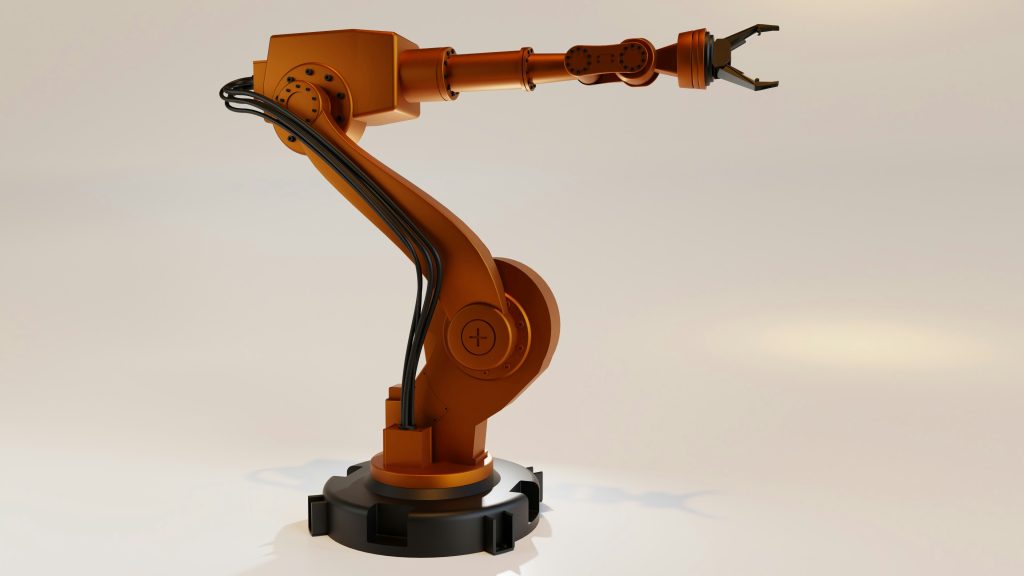
Robotics is a multifaceted field that combines engineering, computer science, and artificial intelligence to design, construct, and operate robots. A robot is typically a machine capable of carrying out a series of tasks automatically, often mimicking human actions. By understanding robotics, you gain insight into how machines can assist or operate alongside humans in various applications.
Components of a Robot
A robot typically consists of several key components:
- Sensors: These allow the robot to perceive its environment. Common sensors include cameras, ultrasonic sensors, and encoders.
- Actuators: These are responsible for movement and actions, translating commands into physical motions, such as motors or servos.
- Control systems: The “brain” of the robot, usually a microcontroller or computer that processes inputs and determines outputs.
- Power supply: This could be batteries or other power sources, providing the energy needed for operation.
Applications of Robotics in Various Fields
Robotics has an impressive array of applications across numerous sectors. For instance:
- Manufacturing: Robots are used for assembly, welding, painting, and packing, increasing efficiency and precision.
- Healthcare: Surgical robots assist in delicate procedures, while rehabilitation robots help patients regain mobility.
- Service Industry: Robots are being implemented in restaurants for cooking and serving, and in homes for cleaning and security.
- Exploration: From Mars rovers to underwater drones, robots are invaluable in exploring environments that are challenging for human beings.
Step 1: Learning a Programming Language
Importance of Programming in Robotics
Programming is a fundamental skill for anyone interested in robotics. It allows you to give instructions to your robot, enabling it to perform desired tasks. Understanding programming concepts is essential for writing code, debugging errors, and making your robots versatile and functional.
Recommended Programming Languages for Beginners
For beginners, here are a few programming languages to consider:
- C: It provides a solid foundation, especially in robotics courses, as it allows for direct manipulation of hardware.
- Python: Known for its simplicity and readability, Python is great for both beginners and for developing complex algorithms.
- Arduino: While technically a platform, learning the Arduino programming language (based on C) is crucial for interfacing with hardware components.
Resources for Learning C Programming
To get started with C programming, you can find numerous resources available. Look for beginner-friendly books that cover the basics of syntax and programming concepts, as well as online tutorials and coding platforms that offer interactive coding exercises.

Step 2: Basics of Electronics
Understanding Electronic Components
Gaining a basic understanding of electronic components is vital for building and programming robots. Familiarize yourself with:
- Resistors, which limit current.
- Capacitors, used for energy storage.
- Diodes, which allow current to flow in one direction.
- Transistors, acting as switches or amplifiers.
- Microcontrollers, the brains behind your robotic systems.
Importance of Electronics in Robotics
Electronics form the backbone of robotic systems. They connect various components (sensors, actuators, and control systems), allowing robots to interact with their environment. Without fundamental knowledge of electronics, designing and building a functioning robot becomes a complex challenge.
Getting Started with Arduino
Arduino is an incredibly popular platform for beginners in robotics. It combines hardware and software in a user-friendly package. Start by purchasing an Arduino board, and familiarize yourself with:
- Setting up the Arduino IDE (Integrated Development Environment).
- Writing basic sketches (programs) to control components like LEDs and motors.
- Using various sensors and libraries to expand your projects.
Step 3: Choosing the Right Robot Kit
Factors to Consider When Selecting a Robot Kit
When selecting a robot kit, consider the following:
- Skill Level: Make sure the kit is appropriate for your experience level.
- Components Included: Look for kits that include various sensors, motors, and parts to give you flexibility in your projects.
- Tutorials and Support: A good kit will come with documentation and community support to help you through the learning process.
Top Recommended Robot Kits for Beginners
Here are a few kits that stand out for beginners:
- LEGO Mindstorms: Combines building with programming, making it fun and accessible.
- VEX Robotics: Offers a variety of kits suitable for various skill levels and a host of competitions.
- SunFounder Raspberry Pi Based Robot Kit: Great for integrating robotics with programming using Python.
How to Assemble and Program Your Robot Kit
Once you’ve chosen your kit, follow these steps:
- Read through the assembly instructions carefully and gather your tools.
- Assemble the robot as directed, often beginning with the chassis and moving on to the electronics.
- Use the provided software or online resources to program your robot, starting with simple commands and gradually increasing complexity.

Online Resources for Learning Robotics
Free Online Courses
There are countless free online courses available that cater to budding robotics enthusiasts. Platforms that often offer such courses include Coursera, edX, and FutureLearn, where you can find everything from introductory programming to robotics engineering.
YouTube Channels for Beginners
YouTube is a treasure trove of information for learning robotics. Channels like “Robotix with Sina” provide tutorials, project ideas, and hands-on demonstrations that can help solidify your understanding, showcasing real-world applications.
Books and Publications
Books remain invaluable resources. Consider titles on robotics for beginners, electronics fundamentals, and programming books focusing on C and Arduino. Libraries often have sections dedicated to technology, offering great reads without any cost.
Building a Community
Joining Online Forums and Discussion Groups
Connecting with like-minded individuals is a significant part of your robotics journey. Online forums and communities, like Reddit or specialized robotics forums, provide a space for asking questions, sharing projects, and gathering feedback.
Attending Workshops and Meetups
Look for local robotic clubs or workshops, which can be an excellent way to meet people and gain hands-on experience. These gatherings often allow you to collaborate and learn from others who share your interests.
Collaborating on Projects
Engaging in group projects can multiply your learning experience. Collaborate with friends or online contacts to build robots together. Working as a team helps expose you to different perspectives and skills, enhancing your understanding.
Hands-On Projects for Practice
Simple Robotics Projects for Beginners
Start small! Simple projects like creating a line-following robot or a basic remote-controlled car can help you consolidate your skills. These projects will motivate you and help you apply what you’ve learned.
Gradually Increasing Complexity
As you grow more comfortable, tackle more complex projects. Advanced bots could incorporate AI, improved navigation, or specialized functions. Challenge yourself with new technologies as you progress, such as using machine learning algorithms.
Documenting Your Projects
Always document your projects, noting down what worked and what didn’t. This practice will prove invaluable for troubleshooting, enhance your learning process, and serve as a portfolio of your skills.
Tools and Software for Robotics
Essential Tools for Robotics Development
As you embark on your robotics journey, gather tools that will aid your development:
- Soldering kit: Critical for creating durable connections.
- Breadboard: Ideal for prototyping circuits.
- Multimeter: Used for testing and diagnostics.
Recommended Software for Programming Robots
Along with the Arduino IDE, consider exploring software like Python, MATLAB, and various simulation environments for testing algorithms without real-world risks.
Using Simulation Tools for Testing
Simulation tools like Gazebo or V-REP allow you to test your robotic creations in a virtual environment. This step can prevent costly mistakes and improve the design before physical implementation.

Staying Updated in the Field of Robotics
Following Industry News and Trends
Keeping up with industry trends is crucial. Subscribe to robotics newsletters and follow influential figures in the robotics community on social media. Staying informed helps you adjust your learning path according to industry needs.
Subscribing to Robotics Journals and Magazines
Robotics journals and magazines can be invaluable resources, providing insights into the latest research and advancements in technology. They often include tutorials, interviews with industry leaders, and discussions on future trends.
Participating in Online Courses and Webinars
As online learning continues to grow, participating in online courses and webinars can provide you with current knowledge and practical insights from experts in the field.
Conclusion
Summary of Key Steps
To summarize your guide to starting in robotics, remember these key steps:
- Learn a programming language like C.
- Understand the basics of electronics and get your hands on an Arduino to practice.
- Select a robot kit, assemble it, and start programming.
Encouragement for Continuous Learning
Robotics is a vast field filled with opportunities for learning and discovery. As you embark on this journey, remember that every project, no matter how small, adds to your understanding and experience. Don’t be discouraged by challenges; embrace them as part of the learning process.
Final Thoughts on Your Robotics Journey
Your journey into robotics has just begun, and the possibilities are endless. Keep experimenting, learning, and connecting with others in the field. With passion and persistence, you can create amazing robots that push the boundaries of technology. Happy building!