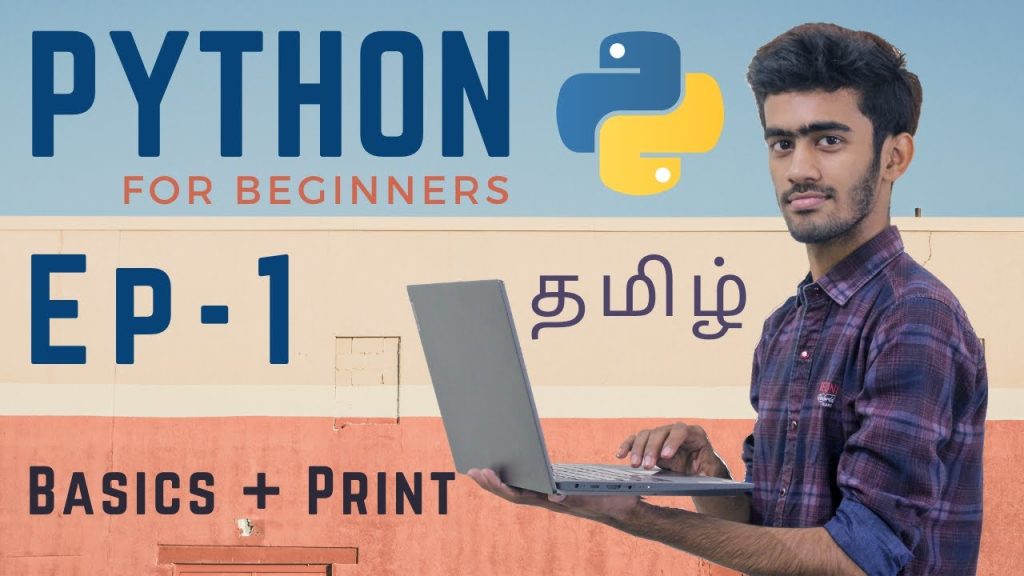
Key Takeaways from Python for Beginners
Python for Beginners serves as a crucial starting point for anyone looking to step into the world of programming. As the creator explains in the video, Python is a high-level programming language that emphasizes readability and simplicity, making it ideal for newcomers. One of the key differences highlighted is between compilers and interpreters. While compilers convert the entire code into machine language before execution, interpreters execute code line by line, which is how Python operates.
This interpreter model allows for faster debugging and testing, essential for beginners learning the language. Additionally, the video emphasizes the basic syntax of Python, such as the print function, which is fundamental for outputting data to the console. Understanding these concepts lays a solid foundation as you embark on your Python programming journey.
What is Python?
Python is a versatile, high-level programming language known for its clear syntax and readability. According to the creator of the video, Python was designed to be easy to understand, making it an excellent choice for beginners. One of its standout features is its dynamic typing, allowing developers to write less code while maintaining functionality. In 2026, Python continues to dominate the programming landscape, with applications ranging from web development to data analysis and artificial intelligence.
Some features that make Python beginner-friendly include:
- Readable Syntax: Python’s syntax closely resembles English, making it easier for newcomers to grasp.
- Extensive Libraries: The availability of numerous libraries simplifies complex tasks, facilitating quick development.
- Active Community: An engaged community means plenty of resources, tutorials, and forums for support.
Python’s applications are vast, including web development frameworks like Flask and Django, data science libraries such as Pandas and NumPy, and automation scripts. Its flexibility allows it to be used in various domains, from IoT to machine learning.
Compilers vs. Interpreters
The distinction between compilers and interpreters is crucial for understanding how programming languages operate. Compilers translate the entire code into machine language before execution, while interpreters process code line by line. As demonstrated in the video, Python utilizes an interpreter, which offers several benefits for developers, particularly beginners.
Key benefits of using an interpreter in Python include:
- Immediate Feedback: Since Python executes code line by line, you can quickly identify and fix errors, aiding in the learning process.
- Ease of Use: An interpreter simplifies running scripts without the need for complex compilation steps, making it more accessible for beginners.
- Dynamic Typing: This allows for on-the-fly variable declaration, which can be easier for beginners to grasp than statically typed languages.
In summary, Python’s interpreted nature contributes significantly to its popularity among beginners, enabling them to focus more on learning programming concepts rather than getting bogged down by complex compilation processes.
Basic Syntax of Python
Understanding the basic syntax of Python is essential for entering the world of programming. The creator points out that Python’s syntax is clean and straightforward, which contributes to its popularity among beginners. For example, the print() function is used to display output. Here’s a simple example:
print('Hello, World!')When you run this line, Python outputs: Hello, World!, showcasing how easy it is to get started.
Another crucial aspect of Python syntax is indentation. Unlike many other programming languages, Python uses indentation to define the structure of the code. This means that correct indentation is not just a styling preference but a requirement. For instance:
if x > 10: print('x is greater than 10')Here, the indented line will only execute if the condition is true. Proper indentation ensures that your code runs correctly, which is a fundamental skill every programmer must master.
Fundamental Concepts in Python Programming
Grasping the fundamental concepts of Python programming is crucial as you begin your coding journey. According to the video, variables and data types are the building blocks of any programming language. In Python, you can declare variables without explicitly specifying their type, thanks to dynamic typing. For example:
name = 'John' age = 30Here, name is a string, and age is an integer. Python automatically recognizes the data type based on the value assigned to the variable.
Basic operations with variables include arithmetic operations like addition, subtraction, multiplication, and division. You can easily perform these operations:
sum = 10 + 5To declare and use variables effectively, remember to follow Python’s naming conventions, which suggest using lowercase letters and underscores for variable names (e.g., my_variable). This practice enhances code readability and maintainability.
Control Flow: Loops and Conditionals
Control flow is a fundamental concept in programming, allowing you to dictate the order in which statements are executed. In Python, loops and conditionals play a significant role in controlling program flow. The creator highlights that loops, specifically for and while loops, enable repetitive execution of code blocks. For instance, a simple for loop can iterate through a list:
for i in range(5): print(i)This code outputs the numbers 0 through 4, showcasing one of the simplest uses of loops in Python.
Conditionals, on the other hand, allow you to execute code based on certain conditions. The if statement is commonly used for this purpose. For example:
if age >= 18: print('Adult') else: print('Minor')This snippet checks the age variable and prints whether the person is an adult or a minor. Understanding how to use loops and conditionals effectively will enable you to write more dynamic and responsive Python programs.
Functions in Python: Building Blocks of Code
Functions are essential building blocks in Python programming, allowing you to encapsulate code for reuse. The video emphasizes that functions help organize code logically and reduce redundancy. To define a function in Python, you use the def keyword, followed by the function name and parameters. Here’s a basic example:
def greet(name): print('Hello, ' + name)To call this function, you simply pass a name:
greet('Alice')This would output: Hello, Alice. Functions can also return values, which adds another layer of utility. For example:
def add(a, b): return a + bCalling add(5, 3) would return 8. Python also comes with many built-in functions, such as len() for measuring the length of a list or string.
Exploring Python Libraries and Modules
Python’s extensive ecosystem of libraries and modules is one of its greatest strengths. As noted in the video, libraries are collections of pre-written code that help you perform specific tasks without having to write everything from scratch. For beginners, understanding how to import and use these libraries can significantly enhance your programming capabilities.
Two of the most popular libraries in Python are Pandas and NumPy. Pandas is widely used for data manipulation and analysis, while NumPy provides support for numerical computations. To use these libraries, you can import them into your script with:
import pandas as pd import numpy as npThis line of code imports the libraries and allows you to use their functions. For instance, with Pandas, you can easily load a CSV file and analyze the data:
data = pd.read_csv('file.csv')Understanding libraries and modules will empower you to leverage Python’s full potential, enabling complex data analyses and visualizations with ease.
Real-World Projects and Applications of Python
Python’s versatility makes it suitable for a variety of real-world applications. The creator of the video illustrates that Python is used across different industries, including web development, data science, artificial intelligence, and more. For example, web developers often use frameworks like Django and Flask to build robust web applications efficiently.
In data science, Python is the go-to language for data analysis and machine learning, thanks to libraries like Scikit-learn and TensorFlow. These tools allow developers to create predictive models and analyze large datasets. Moreover, Python is also utilized in automation tasks, such as web scraping and data visualization.
As for career paths, proficiency in Python can lead to roles such as data analyst, web developer, or machine learning engineer. Beginners can kickstart their journey by working on projects that interest them, such as building a personal website, creating a simple game, or analyzing a dataset. Each project enhances practical skills and prepares you for real-world challenges.
Resources for Learning Python
To effectively learn Python, utilizing various resources is key. The video suggests several online platforms and communities that cater to beginners. Websites like Codecademy, Coursera, and edX offer structured courses that guide learners through the fundamentals of Python programming. Additionally, engaging in coding communities like Stack Overflow or Reddit’s r/learnpython can provide valuable support and insights.
Recommended books include “Automate the Boring Stuff with Python” by Al Sweigart, which is great for practical applications, and “Python Crash Course” by Eric Matthes for a comprehensive introduction. Tools like Visual Studio Code and Jupyter Notebook are also highly recommended for Python development, providing an interactive environment for coding and testing.
Frequently Asked Questions about Python
As Python continues to grow in popularity, many aspiring programmers have questions about the language. Here are some of the most frequently asked questions:
- What is the best way to start learning Python? The best way to start learning Python is to begin with online tutorials or courses tailored for beginners. Websites like Codecademy, Coursera, and freeCodeCamp offer structured learning paths.
- How does Python compare to other programming languages? Python is often praised for its readability and simplicity, making it a great choice for beginners compared to languages like Java or C++. While Java requires more boilerplate code, Python allows for quicker prototyping.
- Can non-coders learn Python effectively? Yes, non-coders can learn Python effectively. The language’s straightforward syntax and extensive community support provide resources that cater to beginners of all backgrounds.
- What applications can be developed using Python? Python is widely used in various fields such as web development, data analysis, artificial intelligence, machine learning, and automation.
- How can I improve my Python skills after learning the basics? Engage with the coding community through forums and participate in coding challenges to deepen your understanding and provide practical experience.
Conclusion
Embarking on your Python programming journey is an exciting venture that opens a world of opportunities. As outlined in this comprehensive guide, understanding the basics of Python, including syntax, variables, and control flow, is essential for any beginner. Engaging in real-world projects not only enhances your skills but also prepares you for various career paths in tech.
For further learning, consider utilizing online resources, books, and coding communities mentioned throughout this guide. Python’s versatility allows you to explore numerous fields, from web development to data science. Start small, practice consistently, and don’t hesitate to seek help from the thriving Python community.
For more insights, check out the original video on Python for Beginners by code io – Tamil.
Frequently Asked Questions
What is the best way to start learning Python?
The best way to start learning Python is to begin with online tutorials or courses tailored for beginners. Websites like Codecademy, Coursera, and freeCodeCamp offer structured learning paths. Additionally, practicing coding exercises on platforms like LeetCode or HackerRank can build your skills effectively.
How does Python compare to other programming languages?
Python is often praised for its readability and simplicity, making it a great choice for beginners compared to languages like Java or C++. While Java requires more boilerplate code, Python allows for quicker prototyping and experimentation with fewer lines of code.
Can non-coders learn Python effectively?
Yes, non-coders can learn Python effectively. The language’s straightforward syntax and extensive community support provide resources that cater to beginners of all backgrounds. Starting with basic concepts and gradually progressing to projects can make the learning curve manageable.
What applications can be developed using Python?
Python is widely used in various fields such as web development, data analysis, artificial intelligence, machine learning, and automation. Its versatility allows developers to build applications ranging from simple scripts to complex web applications using frameworks like Django and Flask.
How can I improve my Python skills after learning the basics?
To enhance your Python skills, engage with the coding community through forums like Stack Overflow or Reddit’s r/learnpython. Participating in coding challenges and contributing to open-source projects can also deepen your understanding and provide practical experience.
Key Takeaways
- Python is an ideal programming language for beginners due to its readability and simplicity.
- Understanding the difference between compilers and interpreters is crucial when learning Python.
- Basic syntax, including the use of the print function and indentation, is foundational for writing Python code.