Have you ever wished to turn your childhood stories into something magical, like coding in Python?


Overview of the Product
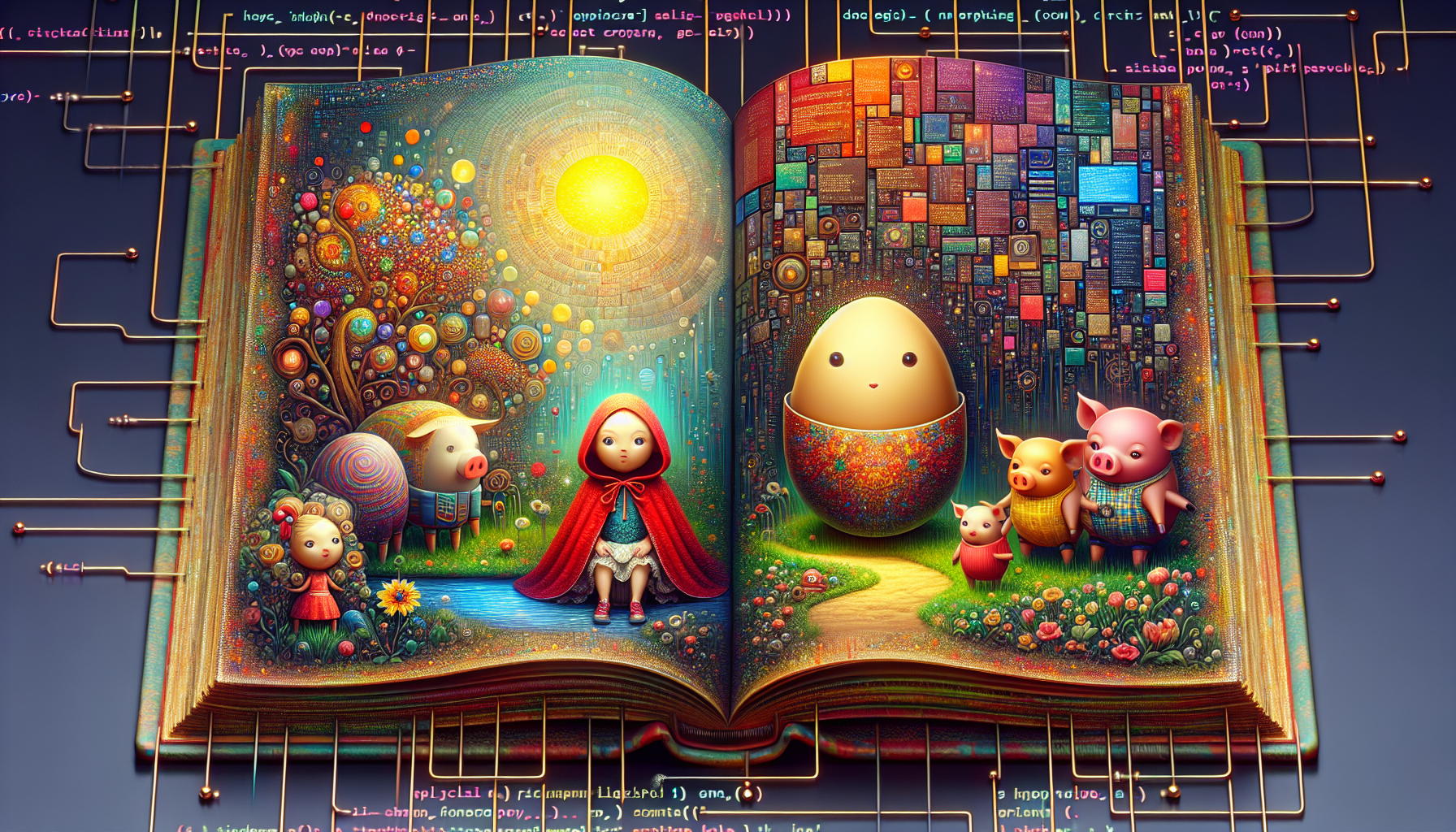
“Learn Python through Nursery Rhymes and Fairy Tales” stands out as a unique resource for beginners. This book takes classic tales and nursery rhymes, transforming them into Python programs. It’s not just about coding; it merges the whimsical world of stories with the logical world of programming, making learning fun and engaging for kids and beginners alike.
Why Choose This Book?
This book stands out because it seamlessly integrates storytelling and programming. It provides a gentle introduction to coding principles using narratives you’ve likely grown up with. Not only does it cater to young coders, but it also brings a nostalgic charm to adult learners who may be reentering the world of coding.
Who is This Book for?
- Kids: If you have a young one in your life interested in learning how to code, this book is an excellent starting point.
- Beginners: Whether you’re a parent or an adult seeking to learn programming, this book is designed to make coding accessible.
- Educators: Teachers can use this resource to introduce programming in a classroom in a fun and relatable way.
Content Breakdown
The book is divided into themes that revolve around well-loved nursery rhymes and stories. Each chapter examines a particular tale, presenting key coding concepts through the story’s plot. Here’s a breakdown of what to expect:
| Chapter | Story | Coding Concept | Activities |
|---|---|---|---|
| 1 | Humpty Dumpty | Variables | Create a Humpty Dumpty game |
| 2 | Little Red Riding Hood | Conditional Statements | Design a decision-making story |
| 3 | The Three Little Pigs | Loops | Build a house construction simulator |
| 4 | Jack and Jill | Functions | Make a calculator for climbing |
| 5 | The Gingerbread Man | Lists | Bake and track cookies with lists |
| 6 | The Ugly Duckling | Object-Oriented Programming | Transform a duck into a swan |
This structure helps you learn progressively, building on what you’ve just understood.


Learning Through Stories
Engaging Storytelling
One of the highlights of this book is how it transforms programming concepts into engaging stories. As you navigate through familiar tales, you’ll find coding concepts woven into the narrative fabric. This connection aids in better retention of material since the coding logic is connected with themes you likely already know well.
Incorporating Familiar Characters
Another delightful aspect is the inclusion of beloved characters. You’ll code your way through adventures with familiar faces, making the task of learning seem less daunting. It’s like spending time with old friends while gaining new skills!
Step-by-Step Instructions
Easy-to-follow Guidance
The book offers step-by-step instructions for each coding exercise. As you follow along, you will not only learn to code in Python but also improve in problem-solving as you code through various challenges.
Code Snippets and Examples
Each chapter features code snippets and examples that break down how each story translates into programming. These snippets serve as your building blocks, making it easier for you to understand the fundamental concepts of Python without feeling overwhelmed.

Practical Projects
Hands-On Learning
The emphasis on projects throughout the book truly sets it apart. You’re not just reading theory; you’re getting your hands dirty by building projects. This level of interactivity helps reinforce what you learn.
Creating Your Own Stories
As you progress, you might begin to feel inspired to create your own versions of the stories. The skills you develop while coding give you the tools to express creativity through programming, allowing you to animate parts of your favorite tales or create completely new stories.
Encouragement of Creativity
Building Confidence in Coding
One of the aims of this book is to build confidence. As you successfully navigate through coding tasks, you’ll find that programming becomes less intimidating. The playful approach encourages you to think creatively and take risks in your coding sessions.
Discovering Personal Interests
With each project, you get to discover what interests you most in coding. Whether you lean towards storytelling, creating visuals, or developing games, this resource offers a solid foundation that allows for growth in whichever direction you choose to go.
The Community Aspect
Learning Together
The book emphasizes collaboration and sharing ideas with peers. Learning is often more effective when done as a group. Engaging your friends or family in coding projects can enhance the experience, making it a fantastic bonding activity.
Online Resources
While the book itself is packed with valuable information, there are also online communities where you can further your learning. Discussions about Python concepts, coding challenges, and story adaptations enhance your understanding and provide a network of support.
Tips for Success in Learning Python
Take Your Time
There’s no rush to finish the book. As you work through each chapter, allow yourself to absorb the material and practice it thoroughly before moving on. Everyone has their rhythm, so pace yourself.
Practice Regularly
Set aside regular time for coding. Consistency is key to building confidence and expertise. Even a little bit of coding practice goes a long way in reinforcing what you learn in this book.
Make Notes
If something feels particularly challenging or exciting, jot it down! Keeping a coding journal can help solidify concepts, especially when you revisit what you’ve learned.
Final Thoughts
“Learn Python through Nursery Rhymes and Fairy Tales” is a charming and innovative approach to teaching programming. It beautifully bridges the gap between storytelling and coding, making it an enjoyable learning experience.
A Friendly Reminder
Don’t forget to have fun as you learn! The journey of understanding Python through your favorite stories makes for an adventure that you won’t want to end. Embrace your mistakes, celebrate your victories, and remember: every coder started as a beginner just like you.
By immersing yourself in this book, you’re not just learning to code; you’re embarking on a creative endeavor that transforms childhood memories into modern digital expressions. Happy coding!

Disclosure: As an Amazon Associate, I earn from qualifying purchases.