
What if you could learn Python programming in a way that feels more like browsing through a colorful picture book than sitting in a stuffy classroom? Imagine quickly grasping the basics while being guided by visuals that make concepts clear and engaging. Sounds appealing, right?
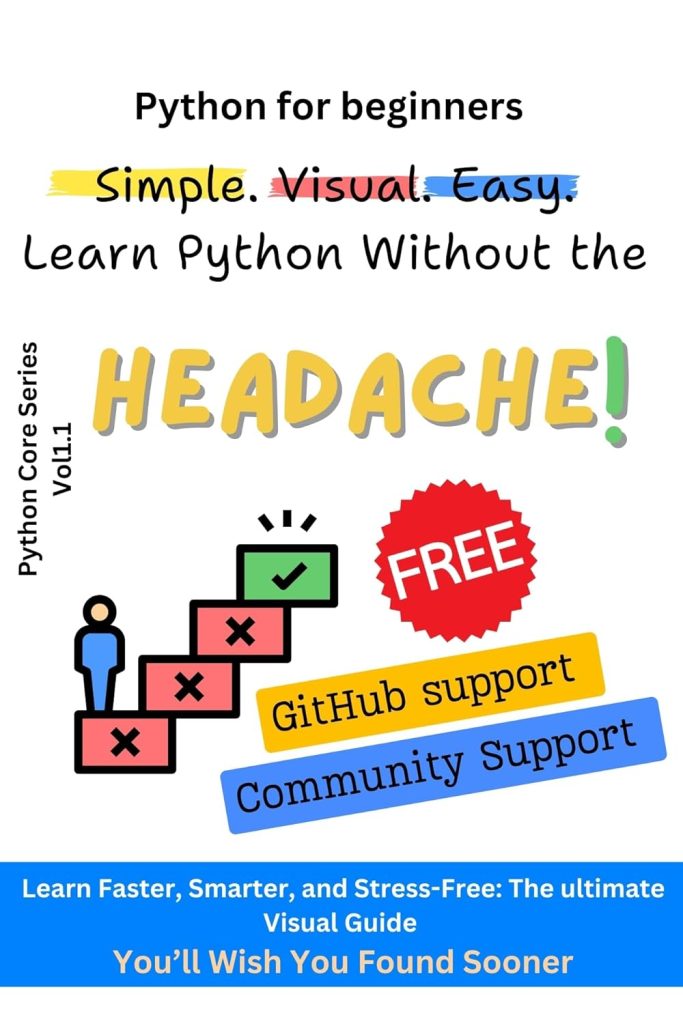

Overview of “Python for Beginners: A Visual Guide to Start Quickly – 2024”
“Python for Beginners: A Visual Guide to Start Quickly – 2024” is designed as a comprehensive introduction to Python programming, perfect for individuals who may not have a technical background or those who prefer a visual learning style. This guide positions itself as part of the “Top 1% Python Developer Series,” which already elevates expectations about the quality of content it offers.
Why Choose This Guide?
Visual Learning Approach
In today’s fast-paced world, grasping new concepts visually often leads to quicker comprehension. This guide leverages visuals effectively to cater to those who find themselves overwhelmed by dense text or complex technical jargon. Through diagrams, charts, and infographics, you can see how different parts of Python fit together, making it easier to retain information.
Starting Quickly
Unlike some resources that delve into heavy theoretical knowledge before showing practical applications, this guide is geared towards helping you get started right away. The approach is user-friendly, prioritizing hands-on learning from the get-go.
Part of an Esteemed Series
Being part of the “Top 1% Python Developer Series” signals that the content is curated and crafted with expertise. The standards are high, as the book aims to guide you towards not just understanding Python but mastering it.

Breaking Down the Content
Let’s take a closer look at what “Python for Beginners: A Visual Guide to Start Quickly – 2024” covers:
Table of Key Features
| Feature | Description |
|---|---|
| Visuals | Engaging graphics that simplify complex concepts |
| Hands-On Projects | Practical exercises that allow you to apply what you’ve learned |
| Step-by-Step Guidance | Clear instructions that make following along easy |
| Accessibility | Designed for absolute beginners with no prior programming experience |
| Up-to-Date Information | Covers Python’s latest features and best practices |
Engaging Visuals
You’ll find that the visuals throughout the book are not just filler; they actively enhance your understanding. For example, flowcharts simplify the process of understanding functions, loops, and conditionals. Each chapter brings you closer to brainstorming code in a creative way that feels less intimidating.
Practical Exercises
One strength of this guide is its commitment to keeping you engaged. At the end of each chapter, there are hands-on projects that encourage you to apply what you’ve just learned. This is particularly beneficial because it reinforces learning by doing, making the concepts stick more effectively.
Clarity in Instructions
The step-by-step guidance helps you avoid confusion as you navigate Python for the first time. Instructions are broken down into bite-sized chunks, which means you can see progress without feeling bogged down by complex wording or programming terminology.
Content Structure
The book is organized logically, gradually increasing in difficulty while reinforcing what you’ve already learned. This structured approach is particularly helpful for beginners, as it eliminates the feeling of being overwhelmed.
Learning Modules Breakdown
Getting Started with Python
This section introduces you to Python and its features. It covers installation and basic syntax. You’ll feel comfortable setting things up before you jump into coding.
Variables and Data Types
Understanding the different data types in Python is crucial. This module illustrates variables clearly, showing you how to work with numbers, strings, and booleans through engaging examples and visual aids.
Control Structures
Control structures like loops and conditionals may seem daunting at first. With the visual guide, you’ll have diagrams to help you visualize how code flows. Think of it as a road map leading you through decision-making processes in programming.
Functions
Functions are one of the bedrocks of programming. This module uses both illustrations and simplified coding examples to explain how functions work, how to create them, and when to use them. You’ll get hands-on practice creating your functions, which is empowering.
Working with Lists and Dictionaries
Collections are essential in Python. The guide carefully explains how to create and manipulate lists and dictionaries with visuals that show relationships between data points, enhancing your understanding of data structures in Python.
Advantages of Using This Guide
User-Friendly Language
The language used is approachable, making learning Python less of a chore and more of an enjoyable endeavor. You’ll appreciate how the author avoids jargon that can be confusing.
Community Support
As part of the “Top 1% Python Developer Series,” you might find a community of learners who are also using this guide. Engaging with fellow learners can enhance your experience and help you overcome obstacles.
Real-World Applications
This guide doesn’t just teach syntax; it connects your learning to real-world scenarios. You’ll engage with examples that represent how Python is used in various industries, giving you context.
Disadvantages of the Guide
Limited Depth on Advanced Topics
While this guide is excellent for beginners, you may find that it doesn’t cover advanced topics in depth. As you progress, you might need supplementary resources to tackle more complex programming challenges.
Not a One-Size-Fits-All Solution
Every learner has unique needs. While visuals work for many, others might prefer different learning styles. Be prepared to complement your learning with other resources if you find yourself needing more context.
Who is This Guide For?
This resource caters primarily to beginners. If you’re someone who has never coded before or feels like you need a fresh start, this guide offers an inviting way to jump into programming. It’s also suitable for visual learners who benefit from illustrations over pure text.
How to Make the Most Out of This Guide
Set Aside Regular Study Time
Creating a schedule for consistent study sessions will help reinforce your learning. Dedicate specific times each week to focus on progressing through the book.
Engage with the Material
Don’t just read through the book; participate. Work through the exercises, replicate the visuals, and take notes. Active engagement will enhance retention.
Take Notes and Review
After completing a chapter, taking notes can clarify what you’ve learned. Reviewing these notes regularly will keep concepts fresh in your mind as you move forward in your studies.
Participate in Online Communities
Join online forums or learning groups focused on Python. Engaging with others can enrich your understanding and give you additional perspectives.
Final Thoughts
“Python for Beginners: A Visual Guide to Start Quickly – 2024” stands out as a valuable resource for anyone eager to grasp programming fundamentals in Python. It blends user-friendly language with engaging visuals, and its hands-on approach fosters an interactive learning experience.
While some limitations exist, especially for those looking to master advanced topics sooner, the guide excels in creating a welcoming atmosphere for newcomers. If you’re ready to start your Python journey, this resource is a fantastic companion. You’ll be coding in no time and developing a strong foundational understanding of this versatile programming language.
In building your skills with Python, remember that patience and practice are crucial. Every expert was once a beginner. With this guide at your side, you’re taking the first step toward becoming proficient in Python. Enjoy the journey ahead!
Finding success in Python may require persistence, practice, and a little curiosity. Embrace the journey, and don’t hesitate to ask questions along the way. Happy coding!

Disclosure: As an Amazon Associate, I earn from qualifying purchases.