
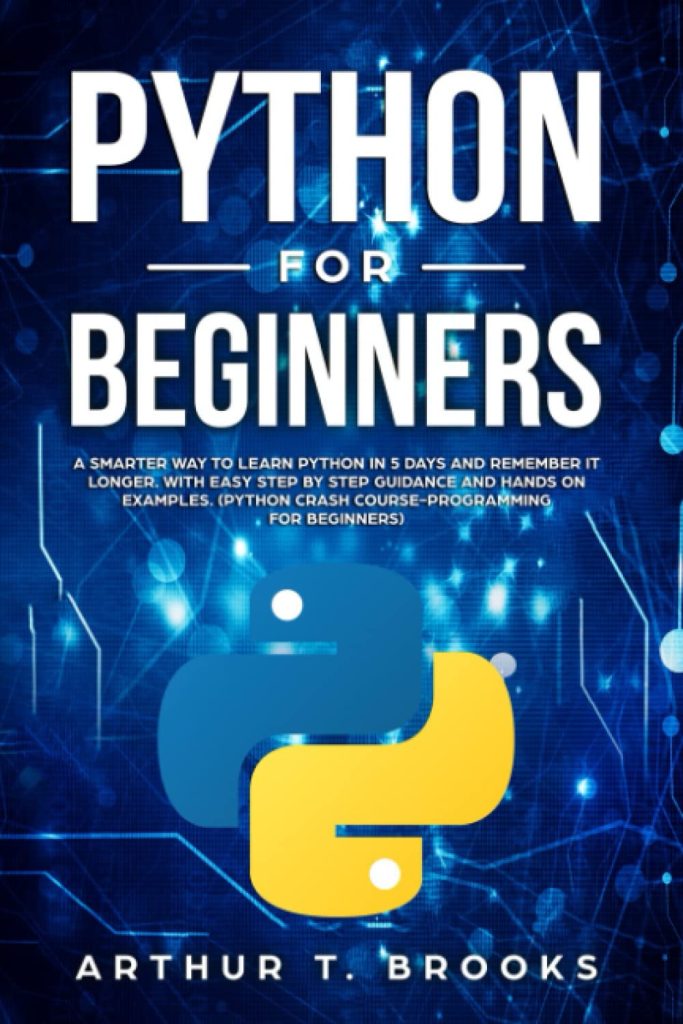
Have you ever found yourself wanting to learn a new programming language but felt overwhelmed by the options available? If you’re looking at diving into programming, Python could be just what you need. “Python for Beginners: A Smarter Way to Learn Python in 5 Days and Remember it Longer” offers a structured approach that is designed specifically for beginners.

The Appeal of Python
Python is renowned for its simplicity and readability, making it an excellent choice for newcomers. One of the most significant advantages you’ll find is the ease with which you can grasp its concepts. The clean syntax and straightforward commands allow you to focus on programming itself, rather than getting lost in complex language rules.
Why Choose “Python for Beginners”?
This particular book is tailored to ensure that you not only learn Python quickly but also retain what you’ve learned longer. The structured day-by-day guidance helps you build confidence as you progress.
Features of the Book
Here’s a quick look at some of the notable features that set this book apart:
| Feature | Description |
|---|---|
| Clear Step-by-Step Guidance | Each chapter builds on the previous one, guiding you through your learning. |
| Hands-on Examples | Real-world examples reinforce your understanding and practical skills. |
| Memory Retention Techniques | Strategies are included to help you remember what you’ve learned effectively. |
| Designed for Absolute Beginners | No prior programming experience is required. |
Day-by-Day Learning Breakdown
The book is structured into five days, with each day concentrating on specific concepts in Python. This segmented approach makes it easier for you to follow along and absorb the material.
Day 1: Getting Started
On the first day, you’ll be introduced to Python’s environment, including installation and basic syntax. This day sets the foundation you’ll need for the rest of the week.
Key Concepts Covered:
- Setting Up Python on Your Computer
- Understanding Basic Syntax
- Writing Your First Simple Program
After completing Day 1, you will feel prepared to write and run basic Python programs, giving you a sense of accomplishment right from the start.
Day 2: Variables and Data Types
Day two digs into variables, one of the fundamental concepts in programming. You’ll learn about different data types, how to store information, and perform basic operations.
Key Concepts Covered:
- Introduction to Variables
- Understanding Different Data Types
- Performing Operations with Variables
Understanding these basics will empower you to manipulate data, which is essential for creating more complex programs.
Day 3: Control Structures
On Day 3, you’ll tackle control structures, which are pivotal for creating logic in your programs. This includes concepts like conditionals, loops, and functions.
Key Concepts Covered:
- If-Else Statements
- For and While Loops
- Creating and Using Functions
Mastering control structures will enable you to write more intricate and functional code, taking your skills to the next level.
Day 4: Working with Data Structures
Day four introduces data structures, which are essential for organizing data efficiently. You will learn about lists, dictionaries, and sets, and how you can use them in your applications.
Key Concepts Covered:
- Introduction to Lists
- Understanding Dictionaries
- Manipulating Sets
Data structures are crucial in any programming journey, and you’ll find that these concepts are building blocks for more advanced programming.
Day 5: Final Projects and Real-World Applications
On the final day, you’ll bring everything together as you work on a couple of small projects. By now, you should feel equipped to apply what you’ve learned in real-world scenarios.
Key Concepts Covered:
- Final Review of Key Topics
- Building Simple Projects
- Implementing What You’ve Learned
This culminative effort really ties everything together, reinforcing your knowledge and providing a sense of achievement.

Hands-On Examples: Learning by Doing
One standout aspect of this book is its emphasis on hands-on practice. You won’t just be reading; you’ll be applying your knowledge through exercises and projects. Each chapter concludes with practical examples that will challenge you to think and apply what you’ve learned.
Benefits of Hands-On Learning
- Real-World Experience: You’ll feel more skilled and ready for programming tasks.
- Better Retention: Engaging actively with the material improves memory retention significantly.
- Immediate Feedback: You can see what works and what doesn’t instantly, allowing for quick learning adjustments.
Memory Retention Techniques
This book recognizes that just reading about programming might not be enough. Incorporating memory retention techniques ensures that what you learn sticks with you.
Techniques Included
- Spaced Repetition: Revisiting topics at increasing intervals.
- Visual Aids: Using diagrams and flowcharts to remember structures.
- Active Recall: Testing yourself on the material instead of passively reading.
Utilizing these techniques can greatly enhance your ability to retain and recall programming knowledge.
The Author’s Approach
The author of “Python for Beginners” adopts a friendly, conversational tone throughout the book. This makes the learning process feel less intimidating and more inviting. They encourage questions, experimentation, and provide reassurance that struggling with new concepts is a normal part of the learning journey.
Why an Inviting Tone Makes a Difference
- Reduces Anxiety: You feel more at ease when learning new material.
- Encourages Engagement: A friendly tone keeps you interested and motivated.
- Fosters a Growth Mindset: You’re reminded that making mistakes is a part of growing as a programmer.
Additional Resources Provided
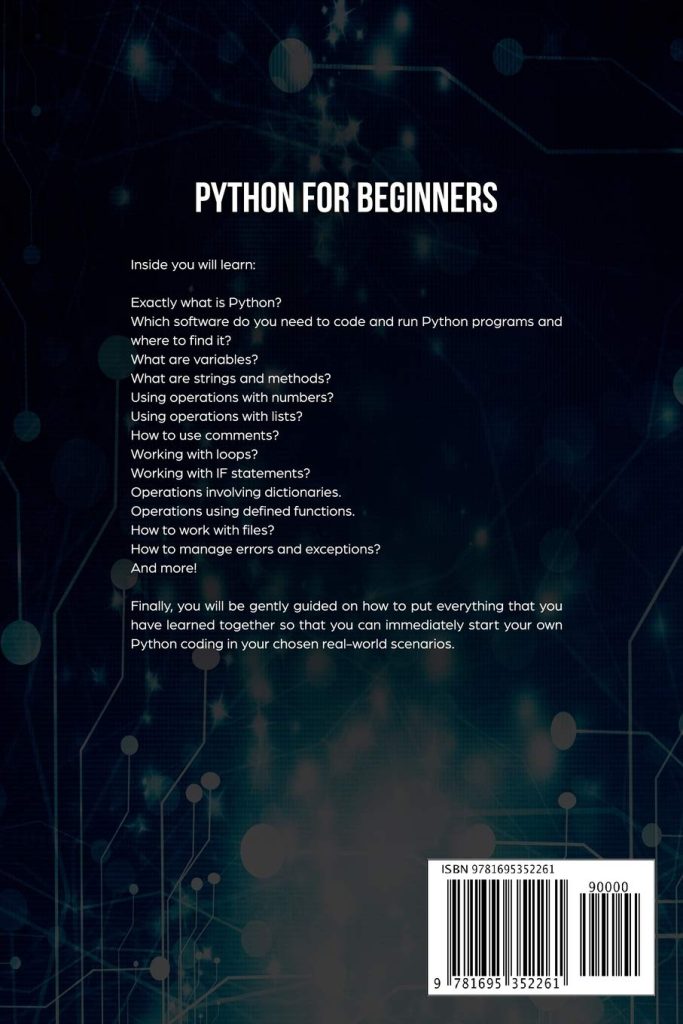
Along with the book, there are additional resources available for you to utilize as you learn. These include links to online forums, Python documentation, and other helpful articles that deepen your understanding.
Online Community
Being part of a community can be invaluable. Forums, such as Stack Overflow or Python-specific discussion boards, provide you with platforms to ask questions, share your projects, and learn from others’ experiences.

Final Thoughts
“Python for Beginners: A Smarter Way to Learn Python in 5 Days and Remember it Longer” stands out not only for its structured approach but also for its supportive learning environment. The combination of clear guidance, practical exercises, and retention techniques makes it a solid choice for anyone eager to start their programming journey.
Is This Book Right for You?
If you are an absolute beginner looking for a no-nonsense resource that breaks down Python in a friendly and approachable manner, this book might just be what you need. The practical, day-by-day approach allows you to gradually build your skills without feeling overwhelmed.
Whether you want to pursue a career in tech, build fun projects, or simply learn for personal satisfaction, this book offers a fantastic pathway. You’ll soon discover the joy of coding and the satisfaction of creating your own programs with Python.
So, are you ready to start your Python journey? With the right guidance, you can become proficient in no time and maybe even surprise yourself with what you’re capable of creating. Happy coding!

Disclosure: As an Amazon Associate, I earn from qualifying purchases.