
What if you could learn Python programming in a straightforward and fun way?
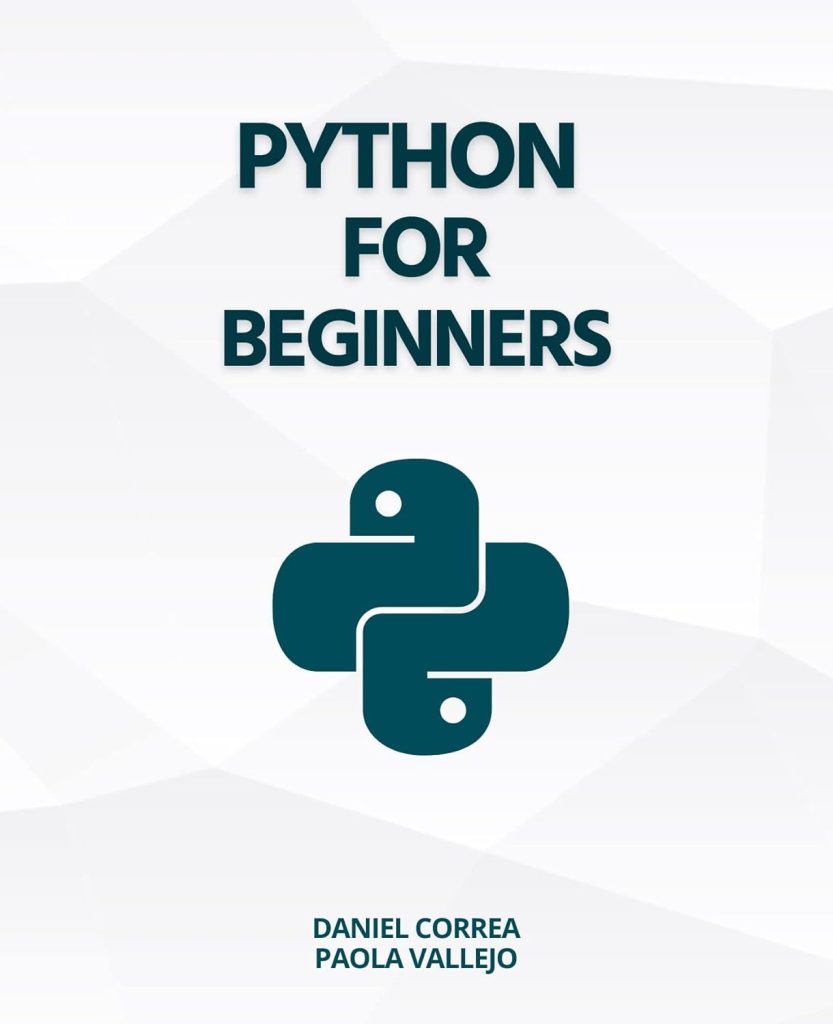

Overview of “Python For Beginners: A Practical and Step-by-Step Guide to Programming with Python Kindle Edition”
When you think about starting your journey in coding, particularly with Python, having a good guide is essential. “Python For Beginners: A Practical and Step-by-Step Guide to Programming with Python” offers that much-needed support. The Kindle edition makes it accessible at any time, anywhere, perfect for those busy moments in your life.
Structure and Layout
This guide is thoughtfully organized, allowing you to progress smoothly from one topic to the next. It breaks down complex ideas into bite-sized pieces, making them easier to grasp.
| Section | Content Description |
|---|---|
| Basics | Introduction to Python and its key features |
| Data Types | Covers different types of data in Python |
| Control Structures | Teaches about loops and conditionals |
| Functions | Details how to write and utilize functions |
| Object-Oriented Programming | Introduces OOP concepts in Python |
| Projects | Practical projects to apply your skills |
As you follow along, you will find that each section builds on the previous one, reinforcing your understanding as you go.
Writing Style and Tone
A standout feature of this guide is its friendly tone. The author engages you directly, making you feel as though you’re having a conversation with a knowledgeable friend who is eager to help you grasp the essentials of Python.
Clarity and Simplicity
The writing is clear, avoiding complex jargon unless it’s necessary. When new concepts are introduced, they are explained in simple terms, allowing you to understand without feeling overwhelmed.

Content Depth
While the guide is designed for beginners, it does a fantastic job of laying down a solid foundation that can be built upon with more advanced concepts later.
Python Basics
The first chapters cover the basics of Python, such as how to install the software and run your first program. This section is crucial for newcomers who might be unsure of how to get started.
You’ll learn about:
- The Python Syntax
- Variables
- Basic Input/Output operations
Data Types
Understanding data types is essential in programming. This guide does a wonderful job explaining:
- Integers
- Floats
- Strings
- Lists
- Tuples
Each type is presented with examples, making the content relatable and easy to understand.
Control Structures
Control structures allow you to control the flow of your program. The guide introduces:
- If statements
- Loops (for and while)
With practical examples, you will quickly see how these structures work in action. The author provides challenges to practice which enhances learning.
Functions and Modules
By the time you reach the functions section, you’ll appreciate how they help you write cleaner and more efficient code.
Defining Functions
You will learn:
- How to define a function
- Pass arguments to functions
- Return values
This part emphasizes the importance of reusability in programming.
Modules
Understanding Python modules expands your programming capabilities. You’ll learn:
- How to import modules
- The benefits of using libraries
The guide provides practical examples, so you can see how modules can save you time and effort.
Object-Oriented Programming
Object-Oriented Programming (OOP) can seem daunting at first. Fortunately, this guide introduces OOP in a friendly manner.
Key Concepts
You’ll discover:
- Classes and Objects
- Attributes and Methods
- Inheritance
Through relatable examples, these concepts will start to make sense. The step-by-step approach is particularly beneficial as it allows you to absorb each concept fully before moving to the next.
Real-World Applications
After covering the theoretical elements, the guide leads you to practical applications of Python. This helps you understand not just how to code, but also how to solve problems effectively.
Hands-On Projects
One of the highlights of this guide is the practical projects offered at the end of the chapters. They encourage you to put your newly acquired knowledge into practice.
Some projects you can expect to complete are:
- A simple calculator
- A to-do list application
- A basic web scraper
These projects solidify your skills and give you a sense of accomplishment.

Pros and Cons
As with any product, it’s good to weigh the pros and cons.
Pros
- Clear and Friendly Tone: You will appreciate the easy-to-follow language.
- Step-by-Step Approach: This method ensures you grasp each concept thoroughly.
- Accessible Format: The Kindle edition makes it easy to refer back to any section.
- Practical Projects: Engaging projects allow you to apply what you’ve learned.
Cons
- Targeted at Beginners: If you already have intermediate knowledge, the content may feel too basic for you.
- Limited Advanced Topics: The guide does not cover more intricate Python features, which you might encounter later.
Conclusion
If you’re looking for a user-friendly approach to learning Python, this guide may be just what you need. “Python For Beginners: A Practical and Step-by-Step Guide to Programming with Python” not only teaches you about Python programming but does so in a way that feels engaging and supportive.
You’ll leave this guide with a solid foundation in Python and the confidence to tackle real-world programming challenges. Whether you’re preparing for a new career, interested in automating tasks, or just want to gain a new skill, this guide can be your ally.

Disclosure: As an Amazon Associate, I earn from qualifying purchases.