
Have you ever thought about how artificial intelligence can change the world around you?
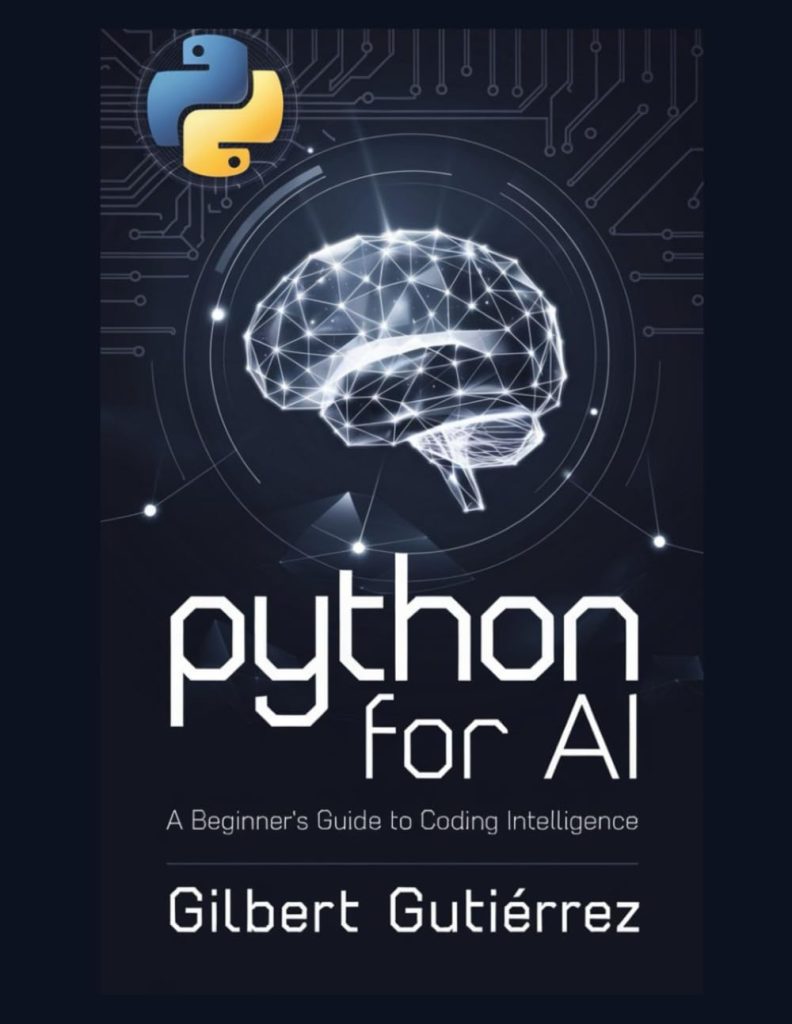

Understanding the Concept of AI
Artificial Intelligence, or AI, is a technology that simulates human intelligence processes. It encompasses a wide range of functionalities, from simple tasks to complex uses like natural language processing and machine learning. With the growing significance of AI in various fields, mastering it can be a game-changer for your career.
What Makes Python a Top Choice for AI?
Python is widely regarded as one of the best programming languages for AI due to its simplicity and versatility. With Python, you can write code quickly, and you won’t have to deal with complex syntax barriers. Moreover, the vast ecosystem of libraries and frameworks available makes it even more appealing for AI applications.
Key Libraries in Python for AI
When you start your journey with Python for AI, you’ll often encounter several essential libraries. Here are some of the most notable ones:
| Library | Purpose |
|---|---|
| TensorFlow | Building and training neural networks |
| Keras | Simplified deep learning library |
| Scikit-Learn | Machine learning algorithms |
| Pandas | Data manipulation and analysis |
| NumPy | Numerical computing |
Utilizing these libraries can make your coding experience smoother and more efficient.
Why a Beginner’s Guide is Essential
Starting with AI programming without a structured guide can be overwhelming. “Python for AI: A Beginner’s Guide to Coding Intelligence” stands out as an excellent resource for several reasons.
Step-by-Step Instructions
This guide breaks down the concepts into manageable sections. Each chapter builds on the previous one, ensuring you grasp foundational knowledge before tackling more complex subjects. You’ll appreciate the way the author methodically paces the content.
Practical Examples and Exercises
You don’t just learn theory; you also practice coding. The book is packed with practical examples and hands-on exercises that reinforce your learning. This hands-on approach ensures you retain what you learn and helps build your confidence.

Navigating the Chapters
As you navigate through the chapters, you’ll notice how thoughtfully each topic is presented. Here’s a closer look at some of the critical chapters.
Introduction to Artificial Intelligence
In the opening chapter, you’ll find a friendly introduction to AI concepts. You’ll learn what AI is, its history, and its real-world applications. This foundational knowledge sets the stage for everything you will learn later.
Basics of Python Programming
If you’re new to Python, the early chapters devoted to basic programming concepts are incredibly useful. You’ll cover variables, data types, functions, and loops, all of which are critical as you advance in your AI learning journey.
Data Manipulation and Analysis with Pandas
Pandas is one of the most powerful tools for data manipulation. This chapter teaches you how to import datasets, clean data, and perform exploratory data analysis. By the end, you’ll feel equipped to handle any data challenges that may arise.
Introduction to Machine Learning
Machine learning is a cornerstone of AI. In this chapter, you’ll identify different types of machine learning algorithms. You’ll also gain insight into supervised vs. unsupervised learning, setting the groundwork for deeper explorations into more complex topics.
Real-world Applications of AI
Understanding AI concepts is one part; seeing them applied is another. This guide makes sure you relate what you learn to real-world scenarios.
AI in Healthcare
AI is transforming healthcare by streamlining processes, predicting outcomes, and personalizing treatments. You’ll see examples of how AI improves patient care and assists healthcare professionals in making informed decisions.
AI in Finance
In the finance sector, AI is utilized for fraud detection, risk management, and algorithmic trading. This book dives into how machine learning models can predict market trends and contribute to improved financial decision-making.
AI in Transportation
From self-driving cars to traffic management systems, AI plays a crucial role in enhancing transportation efficiency. By providing practical examples, this guide emphasizes the significance of AI in making our commutes safer and more efficient.

Engaging with Examples
One of the highlights of “Python for AI: A Beginner’s Guide to Coding Intelligence” is the engaging examples used throughout the book. These make complex topics relatable and easier to understand.
Case Study: Image Recognition
Imagine building an application that can identify various objects in images. The book walks you through using TensorFlow to create a simple image recognition program. You’ll learn about convolutional neural networks (CNNs), training your model, and evaluating its performance.
Case Study: Chatbots
You may have interacted with a chatbot, but do you know how they work? There’s a practical example illustrating how to construct a basic chatbot using natural language processing. This hands-on experience can open doors to more advanced AI applications.
Case Study: Recommender Systems
Recommender systems are prevalent in platforms like Netflix and Amazon. The book provides insight into how these systems function and guides you in developing your very own. You’ll learn about collaborative filtering and content-based filtering techniques.
Community and Resources
The journey to mastering AI doesn’t have to be done alone. The book encourages interaction with a community of learners and programmers, which can foster deeper understanding and support. Here are some valuable resources:
Online Forums
Engaging in online forums such as Stack Overflow and Reddit can be a great way to ask questions, share knowledge, and connect with others on a similar path. You can find like-minded individuals who are on the same journey.
Online Courses
Complementing your reading with online courses can boost your learning efforts. Platforms such as Coursera and edX offer courses on AI and machine learning that are often created by top universities and industry leaders.
Coding Bootcamps
For those who prefer a structured learning environment, coding bootcamps are available. These intensive programs can equip you with practical skills in a shorter time frame.

Overcoming Challenges
Learning Python for AI is not without its challenges. However, the book is designed to walk you through these hurdles effectively.
Dealing with Syntax Errors
As you code, encountering syntax errors is common. The guide emphasizes best practices for debugging and encourages you to take a step back and analyze your code carefully when issues arise.
Understanding Complex Concepts
Some concepts in AI can be overwhelming at first glance. The author introduces these concepts incrementally, ensuring that you won’t feel lost. Remember, it’s okay to take your time with difficult subjects.
Staying Motivated
Maintaining motivation can be challenging in any long-term learning journey. Setting small, achievable goals throughout your study will help you feel accomplished as you progress. Celebrate these little victories!
The Importance of Practice
To truly master Python and AI, practice is key. The book stresses the significance of applying what you’ve learned regularly. It suggests working on small projects that resonate with your interests.
Mini Projects to Get You Started
Here are a few mini project ideas to consider that align with your learning:
| Project Idea | Skills Practiced |
|---|---|
| Weather Forecast App | APIs, data visualization |
| Simple Game with AI | Control structures, logic |
| Personal Budget Tracker | Data analysis, user interface design |
These projects will reinforce your knowledge and result in satisfying accomplishments that you can showcase.

Progressing Beyond the Basics
As you become comfortable with foundational concepts, don’t hesitate to tackle more advanced materials. The world of AI is constantly evolving, and there’s always something new to learn.
Advanced AI Techniques
Once you’ve grasped the basics, you can explore advanced techniques such as reinforcement learning or generative adversarial networks (GANs). The book hints at these topics, leaving you with resources to seek out more information on them.
Networking in the AI Community
Keep building connections within the AI community. Networking can open doors for collaboration, job opportunities, and mentorship. Engaging in meetups or conferences can significantly accelerate your growth.
Final Thoughts
“Python for AI: A Beginner’s Guide to Coding Intelligence” serves as a comprehensive introduction to the world of artificial intelligence for anyone looking to begin their coding journey. With its clear structure, relatable examples, and community engagement, it stands out as an essential resource for aspiring AI enthusiasts.
As you embark on this exciting journey, remember that learning is a marathon, not a sprint. Your determination and practical application of knowledge will ultimately lead you to success. Each step you take brings you closer to mastering AI and opens new possibilities for your career. Enjoy the ride, and happy coding!

Disclosure: As an Amazon Associate, I earn from qualifying purchases.