
Have you ever wondered how to kickstart your journey into the world of programming?
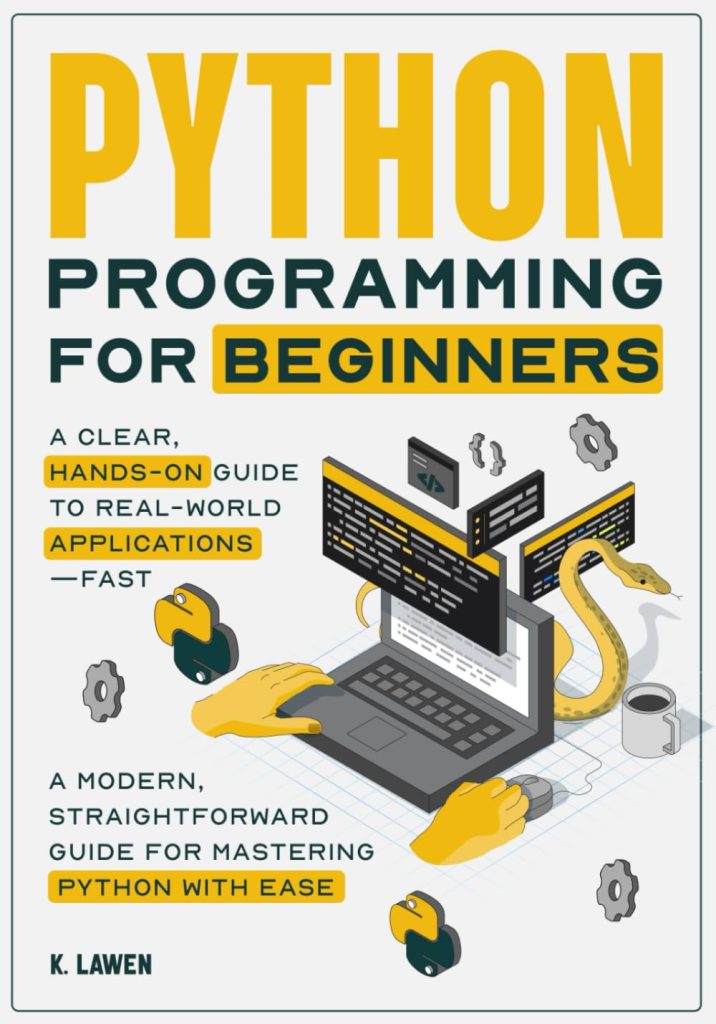

Understanding Python Programming for Beginners
When it comes to learning programming, Python is often recommended as the go-to language for newbies. With “Python Programming for Beginners: A Clear, Hands-On Guide to Real-World Applications—Fast,” you have an opportunity to grasp the fundamentals of coding while working on practical applications. This guide aims to demystify Python, making it accessible to everyone, regardless of technical background.
What Makes This Guide Stand Out?
This guide offers a straightforward approach to learning Python. The world of programming can be overwhelming, but this book simplifies the entry point through clear examples and hands-on projects. You’ll not only learn the theory but also apply what you learn in real-world situations, ensuring you understand the concepts deeply.
| Feature | Detail |
|---|---|
| Intended Audience | Beginners with little to no programming experience |
| Learning Style | Hands-on, practical applications |
| Focus Areas | Core Python concepts, real-world applications |
| Length of the Book | Comprehensive yet concise, making it easy to follow |
Core Concepts of Python Programming
Variables and Data Types
Understanding variables and data types is foundational in Python. You’ll learn how to store data in variables and manipulate it using different data types such as integers, floats, and strings. This knowledge is crucial as it allows you to manage information effectively, setting the stage for more complex programming tasks.
Control Structures
Control structures like loops and conditional statements enable your programs to make decisions and repeat actions. The guide does an excellent job of walking you through these concepts, providing practical examples that you can try out yourself. By mastering control structures, you’ll gain the ability to write more dynamic and responsive code.
Functions
Functions are a core part of Python programming. This book teaches you how to create and call functions, allowing you to segment your code into manageable parts. This modular approach not only makes your code cleaner but also easier to debug and maintain.
Data Structures
As you get more comfortable, you’ll encounter data structures such as lists, dictionaries, and tuples. This guide does a fantastic job of explaining how to leverage these structures to store and manipulate data efficiently. Understanding data structures is essential for anyone looking to write practical applications.
Modules and Libraries
One of Python’s greatest strengths is its extensive library of pre-built modules and packages. The guide introduces you to using these libraries effectively, enabling you to enhance your projects without having to reinvent the wheel. This aspect of Python programming can save you loads of time and effort, allowing you to focus on building meaningful applications.

Real-World Applications
Building Simple Programs
The real charm of this guide is that it emphasizes real-world applications. You’ll start by building simple programs that solve everyday problems, laying the groundwork for more advanced projects. These hands-on exercises will help reinforce your learning while keeping you engaged.
Data Analysis Projects
If you’ve ever been curious about data analytics, the guide touches on this topic as well. You’ll learn how to use Python to manipulate datasets, perform analyses, and visualize results. Understanding these concepts can significantly enhance your skill set, making you more marketable in the tech field.
Web Development
The guide does not shy away from web development basics. You’ll be introduced to frameworks that allow you to create interactive web applications using Python. This is a fantastic way to see your work come to life and understand how programming fits into the larger tech ecosystem.
Automation Scripts
The functionality of Python extends to automating mundane tasks. This guide includes sections on writing scripts to automate repetitive activities, which is a real game-changer. Not only does it save time, but it also frees you up for more creative pursuits.
Teaching Methodology
Step-by-Step Instructions
The book employs a step-by-step instructional design that is perfect for beginners. Each chapter builds upon the previous one, ensuring you’re never left behind. You can follow along easily, making adjustments as needed in your practice environment.
Hands-On Exercises
You will find hands-on exercises throughout the book. These challenges allow you to put your newfound knowledge into practice immediately. By applying what you learn, you’ll be able to reinforce your skills and build your confidence as you progress.
Quizzes and Assessments
To gauge your understanding, the guide also includes quizzes and assessments. These tools will help you to track your progress, ensuring you’re absorbing the material effectively. Seeing your scores can also provide motivation as you work through complex subjects.
Pros and Cons
Pros
- Accessibility: The guide is designed for individuals with no prior programming experience, using clear language and examples.
- Practical Focus: You aren’t just learning theory; you’re applying what you learn immediately.
- Comprehensive Coverage: It covers all essential topics to give you a well-rounded base in Python.
- Engaging Format: The hands-on nature keeps the material fresh and interesting.
Cons
- Pacing: Absolute beginners might need additional resources to fully grasp some advanced topics.
- Limited Depth: While it’s comprehensive, detailed explorations of certain complex concepts can feel a bit rushed.
Community and Support
As you journey through learning Python, you’ll find that community support is invaluable. The book encourages you to engage with fellow learners, which can enhance your understanding and network. Online forums, study groups, and coding communities are excellent resources for asking questions and sharing your progress.
Final Thoughts
“Python Programming for Beginners: A Clear, Hands-On Guide to Real-World Applications—Fast” is indeed a valuable asset for anyone looking to take their first steps into the coding world. Through its easy-to-follow format and practical approach, you will build a strong foundation in Python that you can apply in various domains, from data analysis to web development.
Should You Get It?
If your goal is to learn Python and you’re keen on hands-on projects, this guide is a perfect fit. Its friendly and approachable tone makes complex concepts easier to digest. As you read through it, you’ll likely find yourself excited to try your hand at coding, ready to implement what you’ve learned and tackle real-world applications with confidence.
Embrace the opportunity to enhance your programming skills, and don’t hesitate to take this leap. With the right tools and mindset, the world of coding will soon be at your fingertips, ready for you to create, innovate, and thrive.

Disclosure: As an Amazon Associate, I earn from qualifying purchases.