
What if you could learn Python programming in a way that’s easy to understand and fun?

Overview of the Product
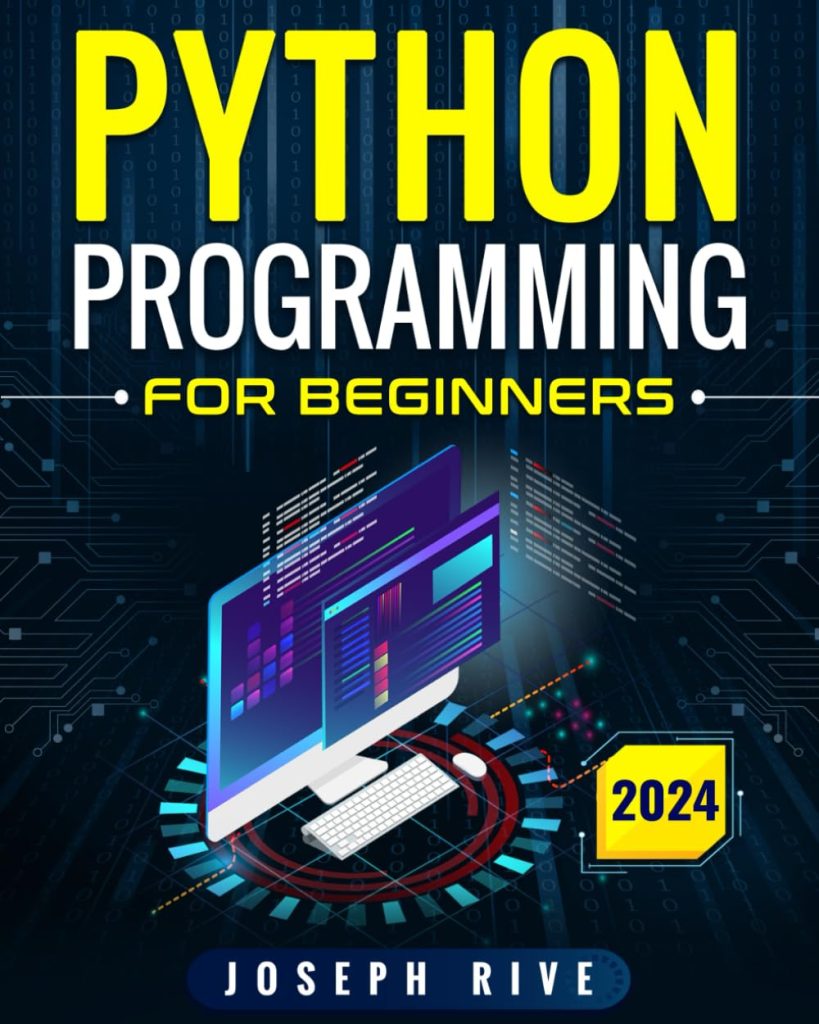
“Python Programming for Beginners: A Step by Step Guide to Master Python Programming for Beginners with Practical Projects” is the ideal resource for anyone embarking on their journey to learn Python. Released on September 13, 2023, this paperback sets a new standard for what a beginner’s guide should look like.
Structuring Your Learning
When you pick up this guide, you get a well-structured approach. This allows you to build your knowledge incrementally. The book is divided by logical chapters that take you from the very basics of Python to more advanced concepts, all while keeping you engaged with practical projects.
Detailed Breakdown of Content
Let’s break down the significant sections of the book to see what makes it an excellent choice for beginners.
| Chapter | What You Will Learn |
|---|---|
| Chapter 1 | Introduction to Python and Setting Up Your Environment |
| Chapter 2 | Basic Syntax, Data Types, and Variables |
| Chapter 3 | Control Structures: If statements and loops |
| Chapter 4 | Functions: Creating and using them |
| Chapter 5 | Lists, Tuples, and Dictionaries: Storing and accessing data |
| Chapter 6 | Object-Oriented Programming: An overview |
| Chapter 7 | Practical Projects: Applying Your Knowledge |
Chapter 1: Introduction to Python and Setting Up Your Environment
This chapter is crucial as it sets the foundation you need. You learn about Python’s popularity, its practical applications, and how to install it on your system. It even includes tips on choosing the right code editor to suit your workflow.
Chapter 2: Basic Syntax, Data Types, and Variables
Once you’ve set everything up, it’s time to jump into the syntax of Python. You get familiar with basic data types like integers, floats, strings, and booleans. The author explains how to declare variables and why it’s essential to understand data types in programming.
Chapter 3: Control Structures: If Statements and Loops
Control structures are the backbone of any programming language. Here, you grasp the importance of if statements and loops. Knowing how to use these effectively allows you to control the flow of your program, making it more dynamic and responsive.
Chapter 4: Functions: Creating and Using Them
Functions are the building blocks of any Python program. This chapter focuses on how you can define your own functions, pass information to them, and return values. Understanding functions enables you to write cleaner and more organized code.
Chapter 5: Lists, Tuples, and Dictionaries: Storing and Accessing Data
Data types aren’t just about numbers and strings; they also include collections like lists, tuples, and dictionaries. You’ll learn how to store multiple values in a single variable, how to manipulate these collections, and when to use each type effectively.
Chapter 6: Object-Oriented Programming: An Overview
While this might sound daunting at first, the chapter simplifies object-oriented programming (OOP) concepts. You will be introduced to classes and objects, which are key to structuring complex programs.
Chapter 7: Practical Projects: Applying Your Knowledge
Feeling overwhelmed? This chapter connects the dots by presenting practical projects that allow you to apply what you’ve learned. Working on projects is a great way to reinforce your knowledge and gives you outcomes to be proud of.

At Your Own Pace
What sets this book apart is its pacing. You won’t feel rushed, as every concept is introduced with careful attention. Each chapter contains checkpoints to assess your understanding, ensuring you retain the information as you go along.
Exercises to Reinforce Learning
The author includes various exercises at the end of each chapter to reinforce what you’ve learned. These exercises often involve real-world scenarios, encouraging you to think critically and apply your skills in practical situations.
Engaging Writing Style
Another noteworthy feature is the conversational tone used throughout the book. The author makes you feel like you have a personal tutor guiding you along the way. This friendly approach reduces the intimidation factor often associated with learning programming.
The Practical Projects
You might wonder what practical projects look like. Here are some examples from the book, along with what skills you’ll apply while working on them.
| Project | Skills Applied |
|---|---|
| Simple Calculator | Basic math operations and user input |
| To-Do List Application | Lists and dictionaries, along with user interface |
| Weather App Simulation | API calls and handling JSON data |
| Budget Tracker | Working with file I/O and data manipulation |
Summary of Practical Projects
Working on these projects gives you a chance to apply the basics of Python while enhancing problem-solving skills. You’ll emerge not just with knowledge but also with tangible projects you can showcase.

Learning from Mistakes
This book encourages an understanding that mistakes are part of the learning process. You will find sections where common errors are highlighted, along with troubleshooting tips. It guides you on how to debug your code, which is essential for any programmer.
Community and Resources
The guide also touches on surrounding communities and resources. You’ll learn where to find help if you get stuck on a problem or want to engage with fellow learners. Websites, forums, and even local coding groups are excellent avenues to look into.
Additional Resources
To supplement your learning, the book provides additional resources. Websites offering free Python courses, YouTube channels featuring coding tutorials, and even recommended books for further reading are all listed to help you continue your journey.
Climate of Learning
In today’s fast-paced world, having the ability to learn at your own pace is invaluable. This book recognizes that and provides an enjoyable learning environment where you can thrive.
Real-World Applications
As you progress, you’ll discover that Python isn’t just for coding enthusiasts. Its applicability extends to data science, web development, automation, and more. This realization fuels your motivation to master Python, knowing that the skills you acquire can lead to various career opportunities.
Closing Thoughts
In conclusion, “Python Programming for Beginners” is a fantastic choice for those looking to get started with Python. It strikes a perfect balance between theoretical knowledge and practical applications. You won’t just learn how to code; you’ll develop a solid foundation on which to build your programming skills.
Final Recommendations
If you’re serious about learning Python, investing in this book would be a smart move. Not only does it prepare you for the challenges of programming, but it also fosters a supportive learning atmosphere. Plus, with engaging writing and practical projects, you’ll find it hard to put down!
With all of this in mind, are you ready to start your Python learning journey? The first step is just a page away!

Disclosure: As an Amazon Associate, I earn from qualifying purchases.