
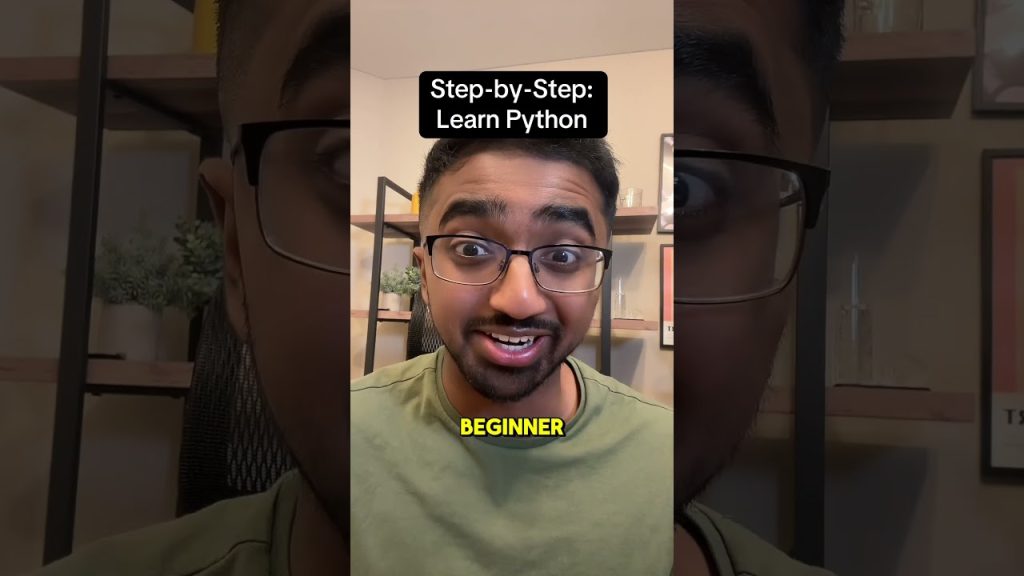
Unlocking the world of programming can be an exciting journey, especially with a language as versatile and powerful as Python. In 2025, you have a fantastic opportunity to learn Python for free, making it easier than ever to get started on your coding adventure. This article highlights several ways you can access quality resources and videos, including a notable contribution from Sajjaad Khader, designed to help you grasp the fundamentals and beyond.
With an abundance of online platforms and supportive communities eager to guide you, becoming proficient in Python is within reach. Whether you’re interested in coding as a hobby, enhancing your career prospects, or simply exploring new skills, you’ll find plenty of resources tailored to your learning style. Embrace the chance to expand your knowledge and step into the world of programming with confidence.
Introduction to Python Programming
What is Python?
Python is a high-level, interpreted programming language that emphasizes code readability and simplicity. It was created by Guido van Rossum and first released in 1991. Known for its clear syntax and dynamic typing, Python allows you to express concepts in fewer lines of code compared to languages like C++ or Java. It supports multiple programming paradigms, including procedural, object-oriented, and functional programming. Whether you are a complete novice or an experienced coder, Python’s versatility makes it an excellent choice for a wide range of applications.
Why Learn Python in 2025?
The tech landscape is evolving rapidly, and Python continues to be one of the most in-demand programming languages. As we enter 2025, learning Python can open numerous opportunities for you in fields such as data science, web development, automation, and artificial intelligence. Its extensive libraries and frameworks make it a preferred language among developers and data scientists alike. Additionally, as industries increasinglyvalue data-driven decision-making, Python’s role in processing, analyzing, and visualizing data positions you ahead of the curve in the job market.
Applications of Python
Python’s applications are vast and varied. You can use it for web development through frameworks like Django and Flask, data analysis with libraries such as Pandas and NumPy, or even machine learning using TensorFlow and scikit-learn. It’s also widely used in automation scripts, game development, and even in the booming field of data visualization. By learning Python, you equip yourself with skills applicable to many industries, making it a versatile tool in your programming arsenal.
Where to Start Learning Python for Free
Online Learning Platforms
One of the best ways to kickstart your Python learning journey is through online learning platforms that offer free courses. Websites like Codecademy, Coursera, and edX often have introductory courses on Python that you can access without any cost. These courses are structured to include interactive coding segments, allowing you to practice what you learn in real-time. With self-paced options available, you can tailor your learning experience to fit your schedule.
YouTube Channels for Python
YouTube is an invaluable resource for visual learners. Numerous channels specialize in Python programming, offering tutorials ranging from the basics to advanced concepts. Channels like Corey Schafer’s and freeCodeCamp’s provide clear, engaging lessons that you can follow at your own pace. By watching these videos, you can quickly grasp coding concepts and apply them in your personal projects.
Open Courseware from Universities
Many prestigious universities offer open courseware that includes Python programming courses. This means you can access lectures, assignments, and tutorials from renowned professors for free! Institutions like MIT and Harvard provide these resources, giving you a taste of real university education. Exploring these courses can deepen your understanding and give you a more structured learning approach.
Essential Python Resources
E-books and PDFs
There’s a treasure trove of free e-books and PDFs available for aspiring Python developers. Books like “Automate the Boring Stuff with Python” and “Python Crash Course” are often available in digital format for free. These resources not only cover programming concepts thoroughly but often include practical examples and projects to help reinforce your skills.
Interactive Coding Websites
Interactive coding websites like LeetCode, HackerRank, and Codewars offer exercises that cater to different skill levels. You can solve coding challenges and receive immediate feedback, which is crucial for reinforcing what you’ve learned. These platforms often support various programming languages, but you can filter challenges specifically for Python, allowing you to hone your skills effectively.
Documentation and Community Forums
The official Python documentation is a valuable resource that provides comprehensive insights into Python’s functionalities. It is often underutilized by beginners, but it is a fantastic tool for learning how to dive deeper into specific topics. Additionally, community forums such as Python’s official forum, Reddit, and Stack Overflow provide a space where you can ask questions, share knowledge, and connect with other developers. Engaging with these communities can significantly enhance your learning experience.
Structured Learning Pathways
Beginner Courses
As a newcomer to Python, you’ll want to focus on beginner courses that cover the foundational concepts. Look for courses that introduce you to variables, data types, functions, control structures, and basic libraries. Many platforms offer free beginner courses that mix theory with hands-on practice, ensuring you grasp the basics before moving on to more advanced topics.
Intermediate Courses
Once you’re comfortable with the basics, it’s time to tackle intermediate courses that delve deeper into Python. You’ll explore object-oriented programming, error handling, and modules. These courses often present projects that allow you to apply your skills in more complex scenarios, providing a stronger foundation for real-world applications.
Advanced Python Programming
For those ready to challenge themselves further, advanced programming courses focus on specialized topics such as web development, data science, and automation. These courses often include project-based assignments that require you to use your knowledge creatively to solve complex problems. Pursuing advanced courses can solidify your expertise and prepare you for challenging roles in the tech industry.

Utilizing Free Online Communities
Joining Python Groups on Social Media
Social media platforms are teeming with groups and communities dedicated to Python programming. By joining these groups, you can connect with fellow learners and seasoned professionals alike. It’s a great way to share resources, seek advice, and discuss trending topics in the Python world. Plus, you can find support and motivation from peers who are on the same learning journey.
Engaging in Forums like Stack Overflow
Forums such as Stack Overflow are indispensable resources for programmers at all levels. As you learn Python, you will likely encounter challenges and questions. Engaging in these forums allows you to ask questions and get feedback from experienced programmers who can help you troubleshoot and improve your code. Over time, contributing your insights will not only solidify your understanding but also build your reputation within the community.
Participating in Coding Meetups and Hackathons
Attending coding meetups and hackathons can rapidly enhance your Python skills. These events provide platforms for you to collaborate, network, and learn from others in a hands-on environment. The experience of working in a team to solve problems and complete projects will give you practical knowledge and the confidence to tackle coding challenges in the future.
Building Projects to Enhance Skills
Personal Projects and Ideas
One of the most effective ways to solidify your Python skills is by building personal projects. Think about problems you face in your daily life that could be simplified through coding. Whether it’s a personal budget app or a simple game, working on projects that interest you adds motivation to your learning. By implementing what you’ve learned in a fun and engaging way, you’ll improve your problem-solving abilities and gain confidence.
Contributing to Open Source Projects
Open source projects are an excellent opportunity for you to apply your skills in real-world scenarios. Websites like GitHub host numerous projects that welcome contributions from programmers of all levels. By participating in these projects, you’ll not only sharpen your coding skills but also understand how collaborative development works. This experience can greatly enhance your resume and build your professional network.
Project-Based Learning Platforms
Several platforms focus on project-based learning, offering you structured paths to build your skills while working on engaging projects. Platforms like Udacity or The Odin Project guide you through creating real applications step-by-step. This approach enables you to learn by doing, which is often the most effective method for internalizing programming concepts.
Leveraging Mobile Apps for Learning
Coding Apps for Python
With busy schedules, learning on the go is a valuable option. There are numerous mobile apps dedicated to teaching Python programming. Apps such as SoloLearn and Programming Hub provide interactive lessons, quizzes, and programming challenges that fit right in your pocket. These apps allow you to practice anytime, anywhere, so you can take advantage of small pockets of time throughout your day.
Interactive Tutorials on Mobile Devices
Interactive tutorials specifically designed for mobile devices make learning Python accessible and enjoyable. Look for apps that offer gamified learning experiences, where you can earn badges and rewards for completing challenges. This makes the learning process engaging and effective, helping you retain information better while you advance your skills.
Useful Tools for Learning Python on the Go
In addition to coding apps, various tools can enhance your learning experience on mobile. Integrated development environments (IDEs) such as Pyto or Pydroid 3 allow you to write and run Python code directly on your phone. These tools are excellent for experimenting with code snippets and practicing when you’re away from your computer.
Incorporating Python in Different Domains
Data Science and Analysis
Python has established itself as one of the leading languages for data science and analysis. With libraries like Pandas, NumPy, and Matplotlib, you can manipulate and analyze data, creating visualizations that provide insight. Learning how to use Python in this domain not only enhances your analytical skills but also equips you for various roles in data-driven industries.
Web Development with Python
If you’re interested in web development, Python has some powerful frameworks like Django and Flask. These frameworks allow you to build robust back-end applications efficiently. Learning web development not only diversifies your skill set but also enables you to create your websites or applications. As you develop in this area, you’ll discover how Python can be used to serve dynamic content with ease.
Automation and Scripting
Python is also a fantastic tool for automation and scripting. By learning how to write scripts in Python, you can automate repetitive tasks, saving you time and effort in your daily life. From simple tasks like renaming files in bulk to more complex automation involving data entry or web scraping, Python can streamline your workflow and increase productivity.

Keeping Updated with Python Trends
Following Python Conferences and Webinars
Staying updated with the latest trends and developments in Python is crucial for your growth as a developer. Attending conferences and webinars allows you to learn from expert speakers and gain insights into the future of Python. Many conferences even offer sessions specifically designed for beginners where you can learn new skills and connect with like-minded individuals.
Staying Current with Python Releases
As Python continues to evolve, staying current with new releases and updates is vital. Familiarizing yourself with the latest features, improvements, and deprecated methods helps ensure that your skills are relevant and up-to-date. Subscribing to Python-related newsletters or following industry news can keep you informed of these changes.
Learning from Influential Python Developers
Engaging with content created by influential Python developers is an excellent way to learn more about best practices, tips, and emerging trends. Many established developers share their expertise through blogs, podcasts, and online courses. By following their work, you can gain valuable insights that can improve your coding style and understanding of Python.
Conclusion
Recap of Free Learning Resources
In summary, there’s no shortage of free resources available for learning Python in 2025. From online courses and YouTube tutorials to open courseware and community forums, you have access to various materials that cater to different learning styles. You can structure your learning path with beginner to advanced courses while simultaneously leveraging online communities for support and growth.
Encouragement for Aspiring Python Developers
As you embark on your Python learning journey, remember that every great programmer started from the same place: as a beginner. Embrace the learning process, don’t shy away from challenges, and celebrate your progress along the way. There will be obstacles, but your dedication will ultimately lead you to success.
Final Thoughts on the Importance of Continuous Learning
The world of technology is constantly changing, and continuous learning is key to staying relevant. By committing to ongoing education and exploration in Python, you will not only enhance your career prospects but also open doors to exciting new opportunities. Your journey into Python programming is just beginning, and the skills you acquire will serve you well in the evolving tech landscape. So dive in, stay curious, and enjoy every step of the journey!